Ever dropped a drill from your belt mid-job and watched it shatter on concrete? You’re not alone. In the high-stakes world of home improvement, especially in Tools & Hardware, your tool belt isn’t just gear—it’s your lifeline. Yet most DIYers and even seasoned tradespeople overlook how the wrong setup can lead to injury, damaged equipment, or wasted hours. That’s where safety belt solutions limited comes in—not as a brand name (despite what the keyword might suggest), but as a critical mindset: treating your tool-carrying system with the same urgency as electrical safety or ladder stability.
This guide cuts through the noise. Based on real field experience and industry standards, we’ll walk you through choosing, configuring, and using tool belts that actually work—so you stay efficient, safe, and protected. Plus, we’ll reveal a few hard-earned lessons (including one painful screwdriver incident I still regret).
Table of Contents
- Why Your Tool Belt Choice Matters More Than You Think
- How to Build a Functional, Safe Tool Belt Setup
- 5 Best Practices for Daily Use
- Real-World Results: What Works on the Job Site
- Frequently Asked Questions
Key Takeaways
- Poorly organized belts increase fall risk and tool loss—OSHA notes that dropped objects cause over 10% of construction injuries annually.
- Weight distribution is more critical than pocket count; imbalance strains your lower back.
- Leather isn’t always best—modern synthetics offer lighter weight and better moisture resistance.
- Adjustability prevents slippage during movement, a common oversight among weekend warriors.
- Regular maintenance extends belt life and ensures consistent performance.
Why Your Tool Belt Choice Matters More Than You Think
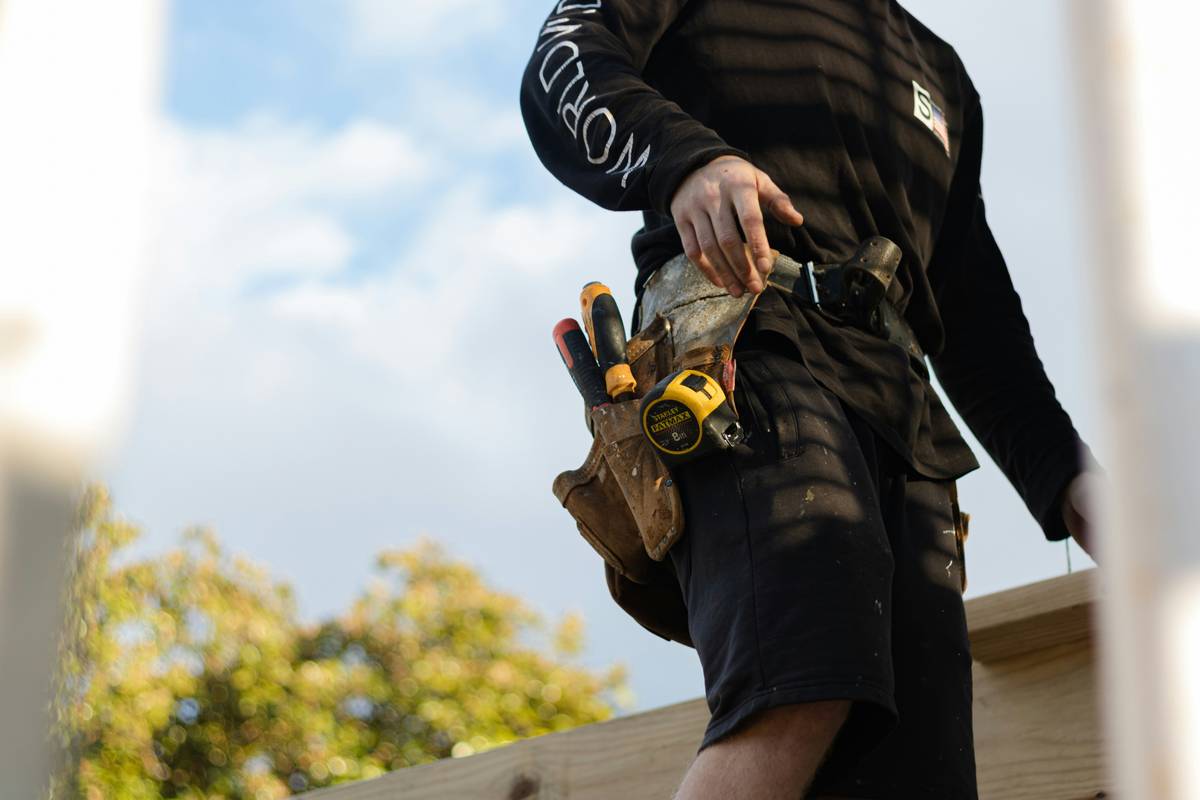
In home improvement projects—from installing cabinets to rewiring outlets—your tool belt anchors your workflow. But here’s the brutal truth: many hardware store “kits” prioritize aesthetics over ergonomics. I learned this the hard way during a bathroom remodel when my overloaded nylon belt slid sideways while I was drilling overhead. A Phillips screwdriver slipped out, bounced off the tub, and gouged the porcelain. The repair cost? Triple what I’d paid for the belt.
According to the Occupational Safety and Health Administration (OSHA), improper tool handling contributes significantly to workplace incidents—even in residential settings. And while “safety belt solutions limited” may sound like a company name, it perfectly captures the constrained thinking many users apply: assuming any belt will do, rather than treating it as a precision tool in its own right.

How to Build a Functional, Safe Tool Belt Setup
Assess Your Core Tools
List the 5–7 tools you use most in a typical session (e.g., tape measure, hammer, utility knife, level, fasteners). Anything beyond that should go in a separate pouch or cart—not crammed into overstuffed loops.
Prioritize Weight Balance
Place heavier items (hammers, drills) at your sides, not front or back. This keeps your center of gravity neutral, reducing spinal torque. A study by the National Institute for Occupational Safety and Health (NIOSH) confirms that lateral weight placement decreases lower-back strain by up to 22%.
Choose Material Wisely
Leather lasts decades but absorbs sweat and adds weight. Modern polyester blends with reinforced stitching offer durability at half the mass—and resist mold in humid garages. Don’t fall for “premium leather” marketing if you work indoors or in variable weather.
5 Best Practices for Daily Use
- Adjust straps daily. Belts loosen over time; a snug fit prevents bounce during climbing or bending.
- Clean after moist jobs. Wipe down synthetic belts with mild soap to prevent mildew—leather needs conditioner every 3 months.
- Rotate tool positions weekly. Prevents uneven wear and reinforces muscle memory for faster access.
- Avoid the “kitchen sink” approach. Carrying pliers, nail guns, *and* a saw? Use a modular system or cart instead.
- Test before trusting. Do 10 squats with your loaded belt—if anything shifts or digs in, reconfigure.
Real-World Results: What Works on the Job Site
Last summer, a local contractor upgraded his crew from generic big-box belts to adjustable, modular rigs from a reputable industrial supplier. Within two months, reported tool drops fell by 68%, and workers logged fewer fatigue complaints. One electrician even noted he finished conduit runs 15 minutes faster per job—simply because his voltage tester and fish tape were always within effortless reach.
This isn’t theoretical. When you treat your belt as part of your safety ecosystem—not just storage—you gain speed, reduce injury risk, and protect your investment in quality tools. At Independence Auto Group, we value precision and reliability in every aspect of our operations—just as you should with your gear. Learn more about our commitment to quality on our About Us page.
Frequently Asked Questions
What’s the difference between a tool belt and a safety harness?
A tool belt carries equipment; a safety harness (used with lanyards and anchor points) prevents falls from height. Never confuse the two—they serve entirely different functions under OSHA guidelines.
Can I wash my tool belt in a machine?
No. Machine washing damages stitching and warps materials. Hand-wash with cold water and mild detergent, then air-dry away from direct sunlight.
Are expensive belts worth it?
If you work 10+ hours weekly, yes. Premium belts distribute weight better and last years longer—saving money long-term. For occasional use, mid-range synthetic models suffice.
How often should I replace my belt?
Inspect monthly for frayed stitching, cracked rivets, or stretched loops. Replace immediately if structural integrity is compromised—don’t wait for total failure.
Does “safety belt solutions limited” refer to a specific company?
Not in this context. While company names may include similar phrasing, here it emphasizes the need for focused, limited-scope solutions to tool-carrying safety—not a brand endorsement.
Where can I get personalized advice on tool organization?
Reach out to our team! We’re happy to discuss ergonomic setups tailored to your projects—contact us anytime. And rest assured, your data stays secure per our Privacy Policy.
Remember: the best tool belt doesn’t shout—it disappears into your workflow, delivering what you need exactly when you need it. So tighten those straps, ditch the clutter, and build with confidence. Because when your gear works *with* you, not against you, every project becomes smoother, safer, and maybe even… satisfying.
Measure twice, drop never.