You’re mid-project—hammer in one hand, nails spilling from your pocket, tape measure dangling off your hip. Frustrating? Absolutely. Wasteful? Costly. The right storage solution belt how to get isn’t just about convenience—it’s about control, speed, and sanity on the job site.
Why Most DIYers Fail at Tool Organization
Most folks grab whatever tool belt’s on sale at the big-box store. Then they wonder why their drill bits vanish or their pliers clang against every wall stud. Generic belts aren’t built for real work—they’re built for shelf appeal.
And here’s the irony: you end up spending more time hunting for tools than using them. Productivity tanks. Fatigue spikes. Precision drops. All because the “solution” wasn’t designed for actual human movement—or workflow logic.
How to Get a Storage Solution Belt That Actually Works
Forget one-size-fits-all junk. The best storage solution belt matches your body mechanics, task frequency, and tool ecosystem. Follow this battle-tested process:
Step 1: Audit Your Core Tools
List the 5–7 tools you use most during a typical job. Not “sometimes.” Not “just in case.” Daily drivers only. If your utility knife appears once a week, it doesn’t belong on your belt.
Step 2: Map Your Dominant Hand & Reach Zones
Right-handed? Keep high-use items on your right side within forearm reach. Lefties—mirror that. Store heavier gear (like a framing hammer) toward your dominant hip—not low on the opposite side where swinging causes drag.
Step 3: Choose Material Based on Environment
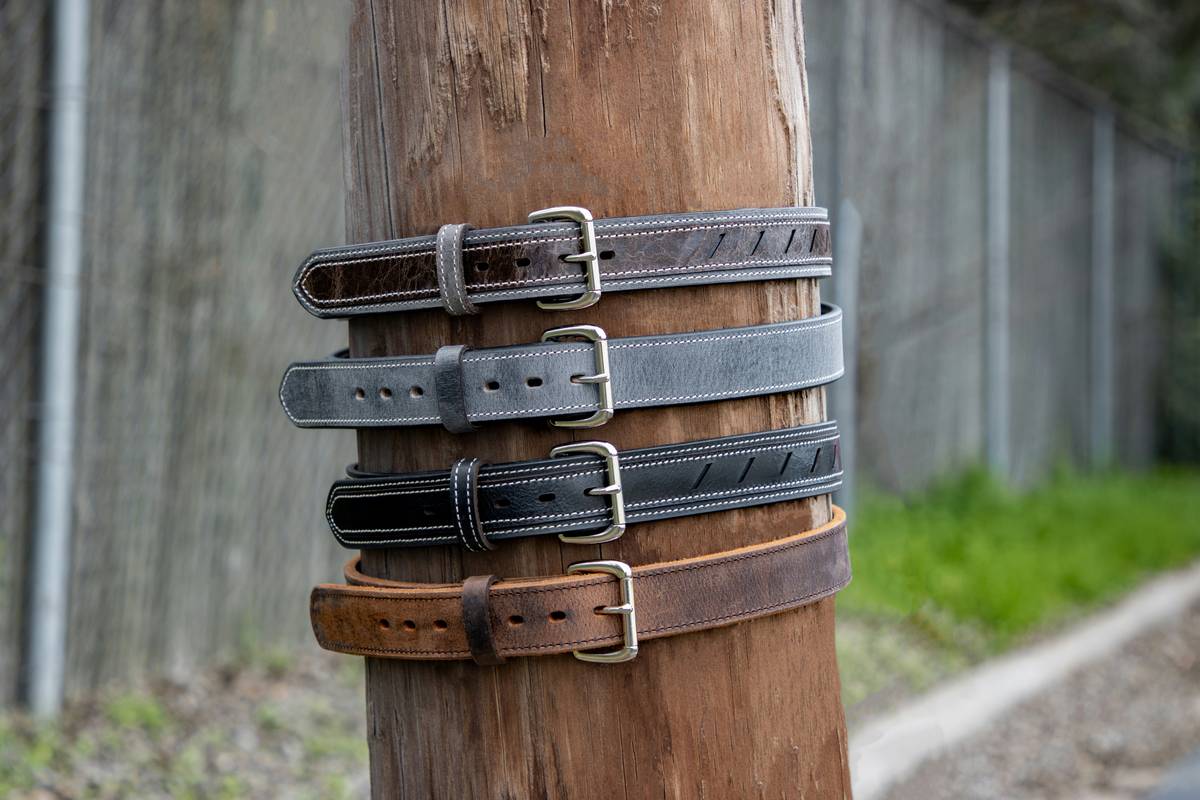
Working outdoors or in humid garages? Avoid cheap nylon that sags when wet. Go for oil-tanned leather or water-resistant ballistic polyester. Indoors with light tasks? Lightweight canvas works—but only if reinforced at stress points.
| Material Type | Durability (1-10) | Weight | Ideal For | Avg. Price Range |
|---|---|---|---|---|
| Oil-Tanned Leather | 9 | Heavy | Framing, roofing, heavy-duty carpentry | $80–$140 |
| Ballistic Polyester | 8 | Medium | Electrical, plumbing, general contracting | $60–$110 |
| Reinforced Canvas | 6 | Light | Finish carpentry, painting, light assembly | $35–$70 |
The Industry Secret: Modular Beats Fixed Every Time
Here’s what manufacturers won’t tell you: rigid layouts become obsolete the moment your workflow changes. The real pros use modular systems—think MOLLE-style webbing or snap-in pouches—that let you reconfigure in seconds.
One week you’re installing cabinets—knife, level, screws on deck. Next week, electrical rough-in—wire strippers, voltage tester, fish tape. A fixed-pocket belt locks you into yesterday’s job. Modular adapts to today’s. And the math is simple: adaptability = saved hours = more profit.
But don’t over-modularize. Too many detachable parts create noise, snag hazards, and lost components. Three to five core modules? Perfect. Ten? You’ve turned your belt into a fidget toy.
FAQ: Real Questions from Real Tradespeople
What’s the lightest tool belt that still holds heavy tools?
Ballistic polyester models with reinforced gussets offer the best strength-to-weight ratio. Avoid ultralight belts with thin stitching—they fail under torque from hammers or drills.
Can I wash my leather tool belt?
Never soak it. Wipe with a damp cloth, then condition with leather oil. Submerging leather warps stitching and cracks fibers. Treat it like a good boot—not a sponge.
How tight should a tool belt sit?
Snug enough that it doesn’t slide when you bend—but loose enough to slip two fingers beneath the waistband. Too tight restricts breathing; too loose bounces with every step.