Your tool belt shouldn’t end up slumped over a chair like yesterday’s laundry. Yet that’s exactly where most sit—tangled, dusty, and one dropped screwdriver away from chaos. The real problem? Most “storage solutions” treat your belt like an afterthought. But here’s the fix: intentional, purpose-built systems that keep gear ready, organized, and off the floor.
Why Your Current Tool Belt Storage Is Failing You
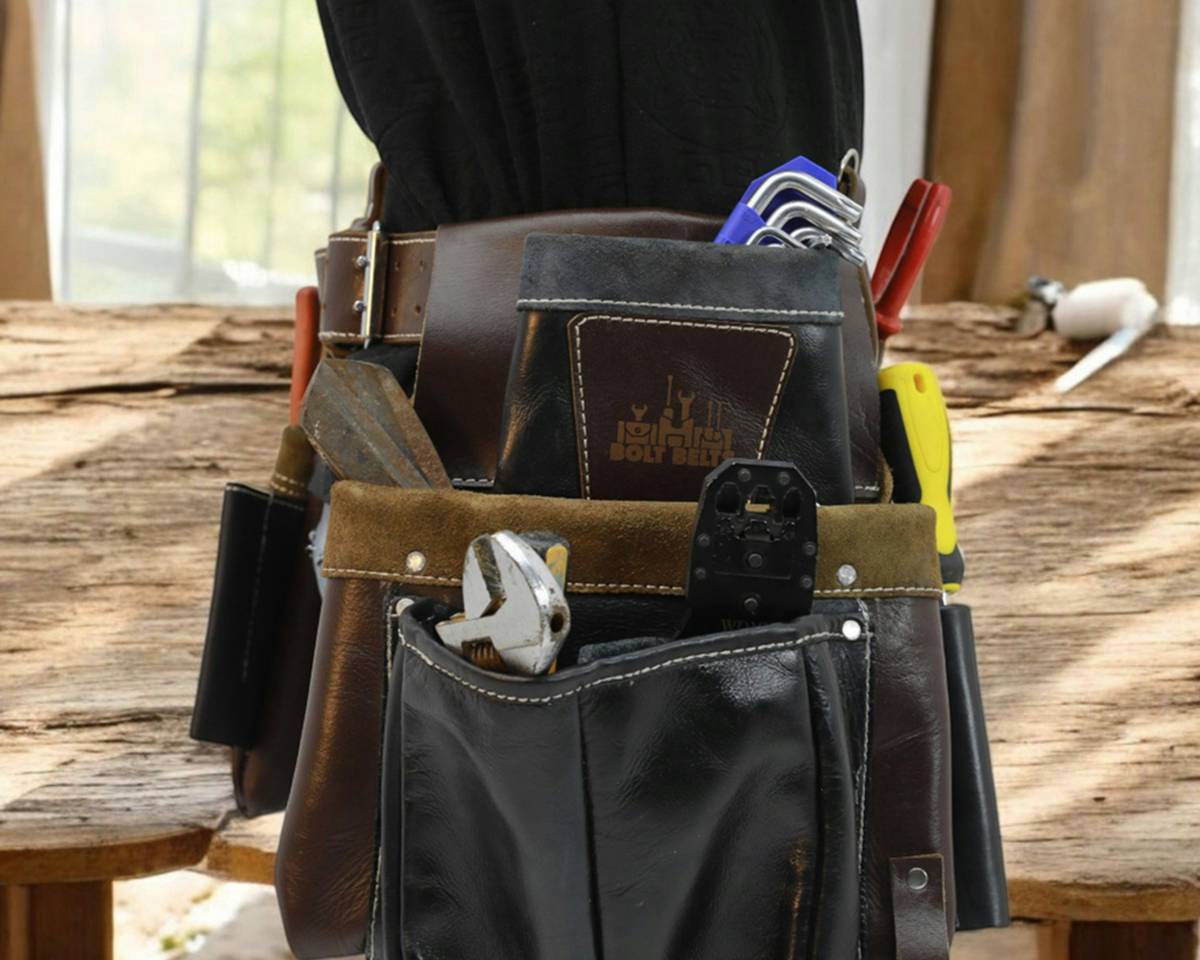
Hanging it on a nail? Stashing it in a drawer with extension cords and old batteries? That’s not storage—it’s surrender. Leather cracks when folded. Nylon sags under weight unevenly distributed. And metal clips rust when trapped in dark, humid corners. Worse, you lose time every job hunting for that one chisel buried under ten others.
The math is simple: disorganized belts = slower work = less profit. And if you’re a weekend warrior, it kills momentum before you even start.
tool belt storage ideas: A Step-by-Step System That Lasts
Forget gimmicks. Build a system that scales with your workload—and your workshop.
Wall-Mounted Rails with Modular Hooks
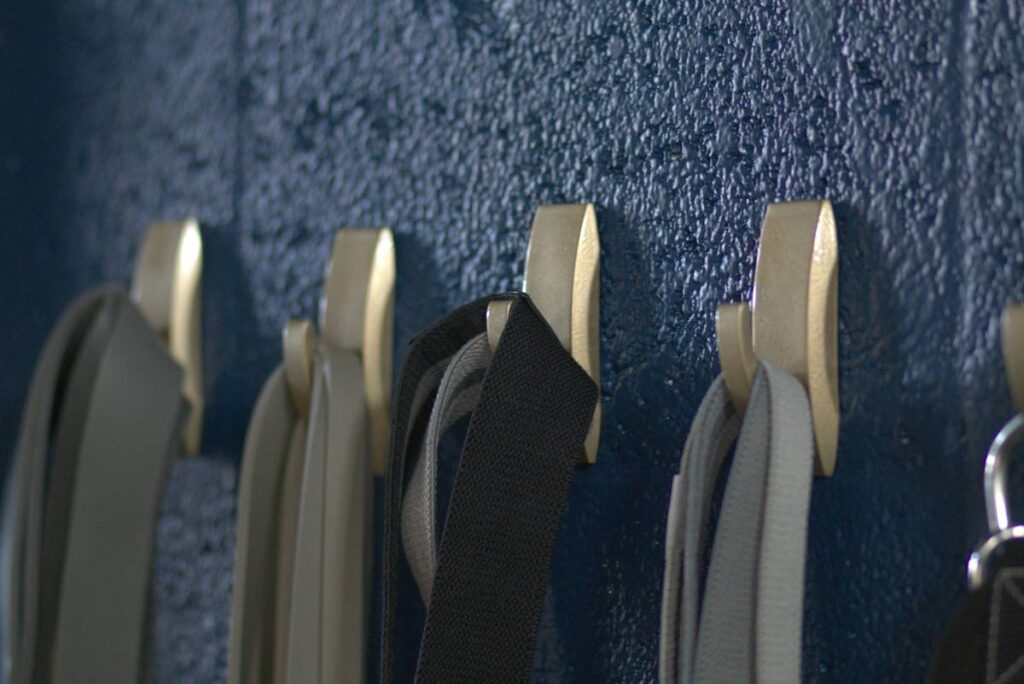
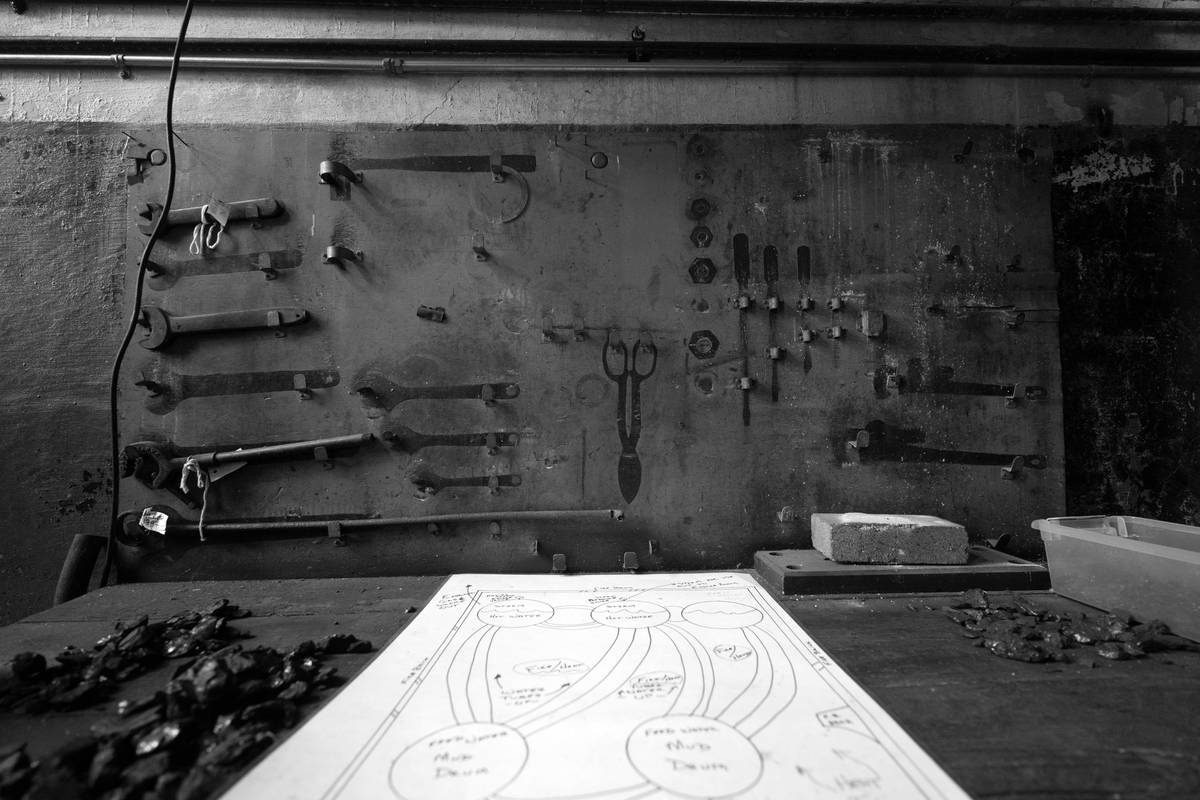
Install heavy-duty rails along your garage or shop wall. Use adjustable hooks to hang belts by their main loop—not the pouches. This prevents strain on stitching and keeps shape intact. Bonus: add labeled bins below for loose bits.
Over-the-Door Hangers with Ventilation
For tight spaces, rigid over-the-door racks with airflow gaps stop mildew buildup. Ideal for nylon or canvas belts used infrequently. Just don’t overload—max 8 lbs per hanger.
Dedicated Rolling Carts with Belt Slots
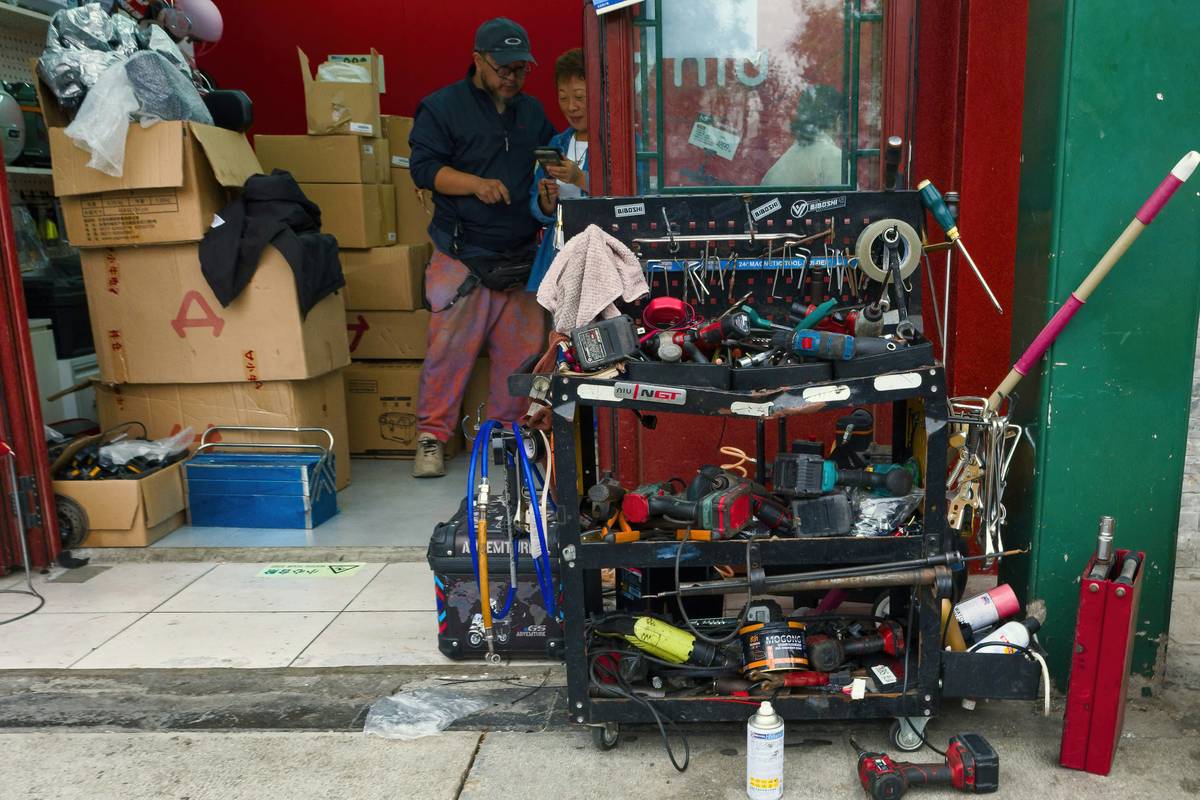
Mobility matters. A wheeled cart with vertical belt slots keeps tools portable and protected during site-to-site jobs. Locking casters prevent drift mid-task.
| Method | Cost Range | Belt Compatibility | Best For |
|---|---|---|---|
| Wall Rails + Hooks | $40–$120 | All types (leather, nylon, hybrid) | Permanent workshops, high-use pros |
| Over-the-Door Hangers | $15–$35 | Nylon/canvas only | Apartments, garages with limited wall space |
| Rolling Tool Carts | $150–$300 | Belts with reinforced loops | Contractors, remodelers, mobile trades |
The Industry Secret: Rotate, Don’t Hoard
Here’s what veteran carpenters won’t tell you: you likely don’t need three belts. Keep one “daily driver” on active rotation, one clean backup hanging nearby, and donate or repurpose the rest. Clutter breeds neglect. I’ve seen crews double their morning prep speed just by cutting belt inventory in half. And—counterintuitively—it extends each belt’s lifespan. Less handling, less wear.
Frequently Asked Questions
Can I store my leather tool belt in a plastic bin?
No. Plastic traps moisture and accelerates dry rot. Use breathable cotton bags or open-air hooks instead.
How often should I clean my tool belt before storing?
Wipe down after every heavy-use day. Salt, sawdust, and oil degrade stitching fast. A 30-second brush saves months of life.
Are magnetic strips safe for tool belts?
Only for steel-framed belts. Magnets can distort nylon webbing and interfere with electronic tool storage. Avoid unless your belt has a reinforced spine.