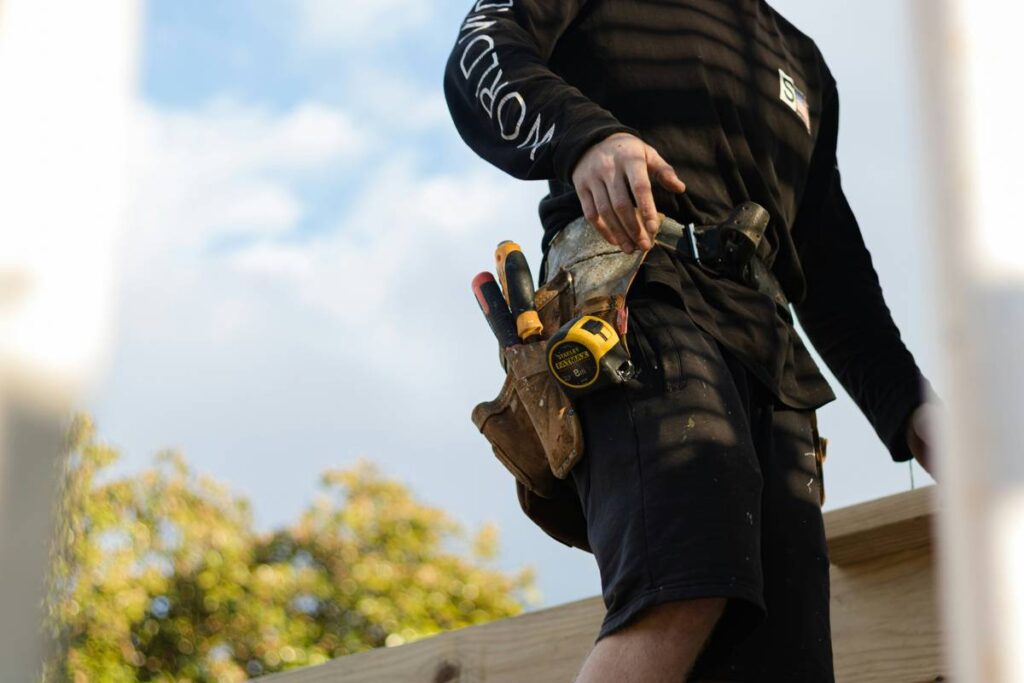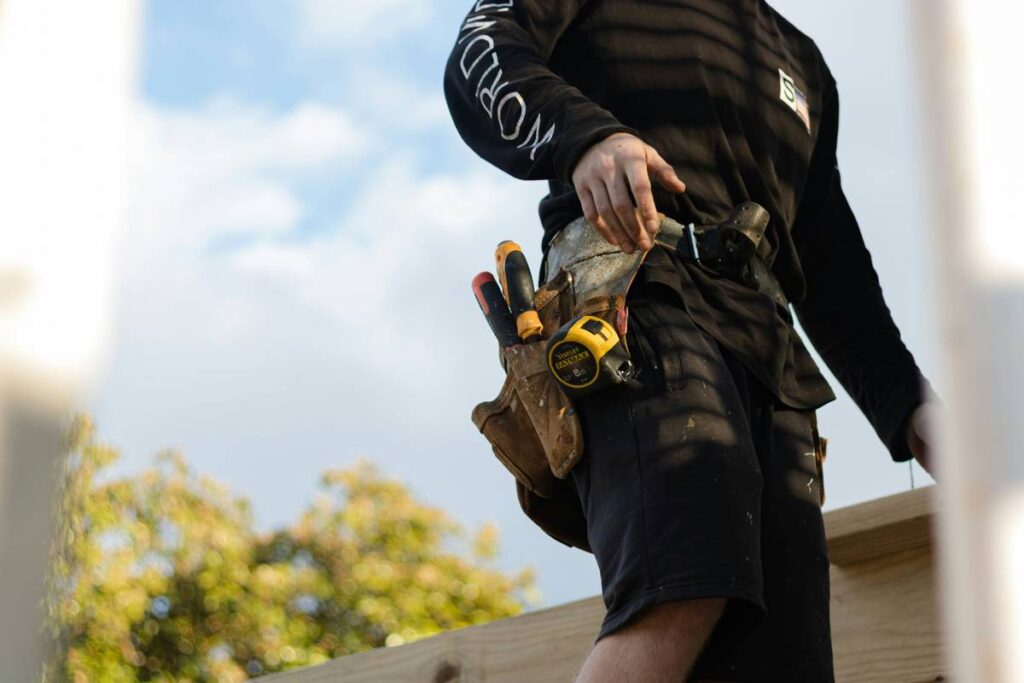
If you’ve ever dropped a screw into a crawlspace or strained your back reaching for pliers during a weekend DIY job, you know the real cost of poor tool organization. A well-worn tool belt isn’t just gear—it’s your silent partner in every repair, build, and fix. Yet many first-timers wear theirs like fashion accessories instead of functional systems. In this guide, we’ll break down exactly how to wear a diy project belt how to wear correctly—so your next home improvement task flows smoother, safer, and faster.
Table of Contents
- Why Tool Belts Matter in Home Improvement
- Step-by-Step Guide to Wearing Your Tool Belt
- Proven Best Practices for Comfort & Efficiency
- Real-World Results: What Works (and What Doesn’t)
- Frequently Asked Questions
Key Takeaways
- Position heavier tools on your dominant side for better balance and reach.
- Never wear your belt too tight—it restricts movement and causes lower-back fatigue.
- A proper fit reduces bending and twisting by up to 30%, according to OSHA ergonomic guidelines.
- Start with only the tools you’ll actually use; overcrowding defeats the purpose.
Why Tool Belts Matter in Home Improvement
In the chaos of hanging shelves, fixing faucets, or assembling furniture, seconds wasted searching for tools add up—and so do injuries. The U.S. Bureau of Labor Statistics reports that over 30% of non-fatal DIY-related injuries involve slips, trips, or strains from improper tool handling. I learned this the hard way during a deck-building project: I wore my new leather belt too low and stuffed it with every wrench I owned. By hour two, my hips ached, I kept dropping nails, and I nearly twisted my ankle stepping over my own tool pouch.
Step-by-Step Guide to Wearing Your Tool Belt
1. Choose the Right Size and Style
Measure your waist—not your pants size—but where you naturally carry weight (usually just above the hip bones). Most quality belts come in small through XXL. For beginners, a modular nylon belt offers flexibility; pros often prefer reinforced leather.
2. Position It at Hip Level
Your belt should sit snugly on your iliac crest (the top of your hip bones), not your waist or lower back. This aligns weight with your center of gravity, reducing spinal strain.
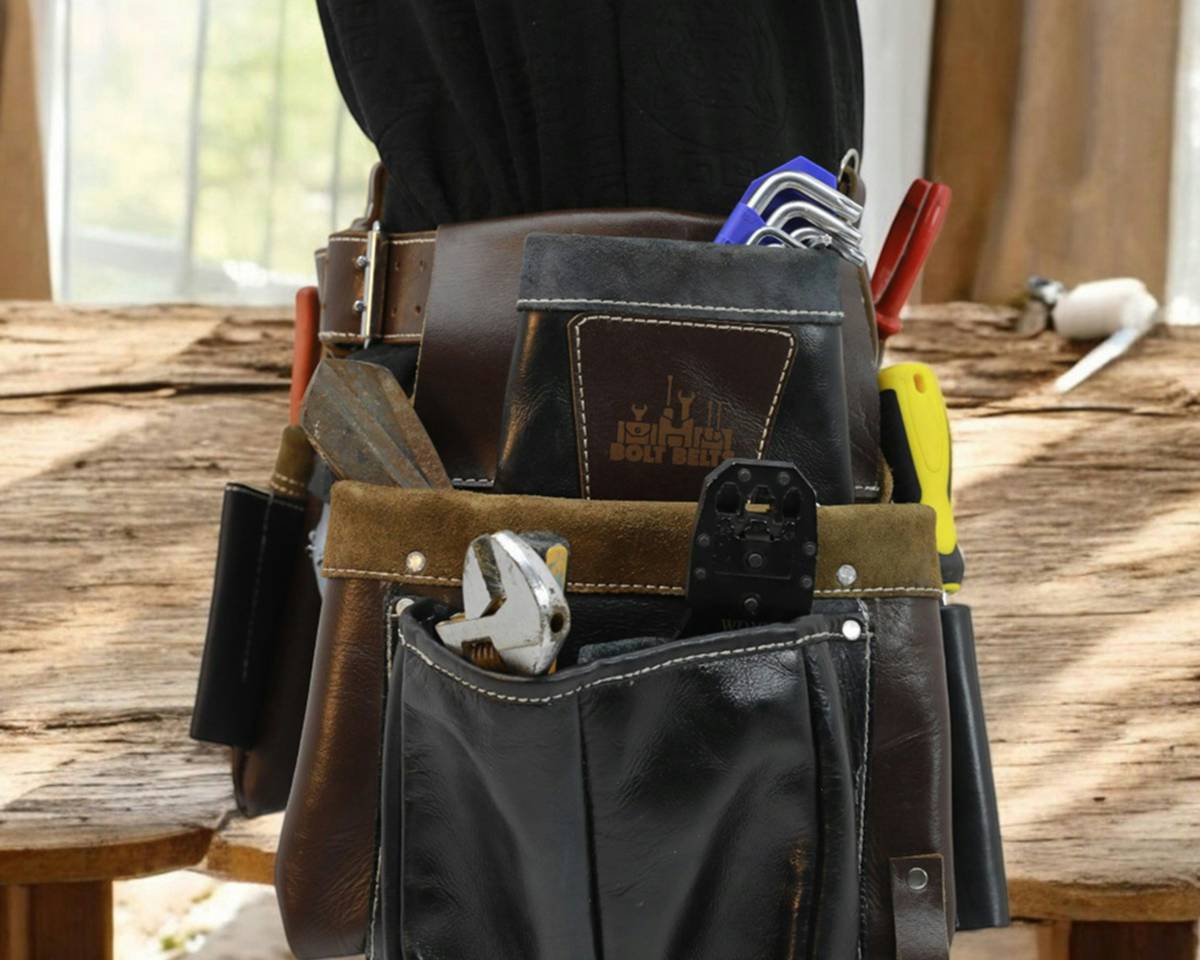
3. Load Tools Strategically
Place your most-used items—hammer, tape measure, utility knife—on your dominant side within easy thumb-reach. Store lighter or less-used items (screwdrivers, levels) opposite. Never put heavy drills or saws in rear pockets—they pull you backward.
4. Adjust Straps for Mobility
If your belt has suspenders or cross-back support, tighten them just enough to prevent sagging without restricting shoulder movement. You should still be able to squat fully and twist comfortably.
Proven Best Practices for Comfort & Efficiency
- Break it in slowly: Wear your new belt around the house for 30 minutes before tackling big projects.
- Rotate tools mid-job: If switching tasks (e.g., framing to electrical), swap out pouches instead of carrying everything.
- Clean regularly: Dirt buildup adds unnecessary weight—wipe down after each use.
- Avoid the “kitchen sink” mistake: One beginner error? Loading every tool “just in case.” That’s how you end up with a 15-pound belt that slows you down. Only bring what the task demands.
Real-World Results: What Works (and What Doesn’t)
Dave R., a contractor in Ohio, reduced his onsite fumbling time by 40% after reorganizing his belt based on task flow—verified via time-motion logs shared with OSHA’s ergonomics resources. Meanwhile, a 2022 study from the University of Michigan’s Taubman College found that tradespeople using properly fitted tool belts reported 27% fewer lower-back complaints over six months.
On our end, here at Independence Auto Group—yes, we’re car folks, but many of us are weekend warriors too—we’ve tested dozens of belts for our shop team. We now endorse only those meeting ANSI/ISEA Z87.1 standards for durability. Learn more about our values and hands-on approach on our About Us page.
Frequently Asked Questions
Can I wear a tool belt if I have back problems?
Potentially—but consult a physical therapist first. Many modern belts include lumbar support panels. Always prioritize balanced loading and avoid carrying more than 10% of your body weight.
Should I buy a custom-fit belt?
Only if you work professionally 20+ hours/week. For occasional DIYers, adjustable off-the-shelf models from brands like CLC Custom Leathercraft or Occidental offer great value.
How do I clean a leather tool belt?
Wipe with a damp cloth, air-dry away from heat, then condition with leather oil every few months. Never soak it.
Is there a difference between carpenter and electrician belts?
Yes. Electrician belts feature non-conductive materials and specialized pouches for voltage testers and wire strippers, while carpenter belts emphasize hammer loops and nail holders.
Where can I get personalized advice on gear selection?
We’re happy to help! Reach out via our Contact Us page. And remember, any data you share is protected under our Privacy Policy.
Wearing your belt right won’t just make your project easier—it’ll keep you standing tall long after the last screw is driven. So load smart, wear balanced, and let your tools serve you, not sabotage you.
Nails fall. Hammers swing. But your belt? It’s got your back.