You walk into Home Depot needing a tool belt. You leave with one that pinches your hips, flops sideways after ten minutes, or vanishes under your workbench within a week. The problem isn’t your effort—it’s that tool belts home depot sells are optimized for shelf appeal, not real-world use. Here’s how to cut through the noise and grab a belt that actually works.
Why 90% of Tool Belts Fail Before Lunch
Most DIYers assume “more pockets = better.” Wrong. Overloaded nylon holsters sag, twist, and turn every ladder climb into a balancing act. And those cheap plastic buckles? They snap when you’re knee-deep in drywall dust. The real issue isn’t durability alone—it’s poor weight distribution. A tool belt shouldn’t just hold tools; it should redistribute their mass so your body forgets it’s wearing 8 pounds of metal.
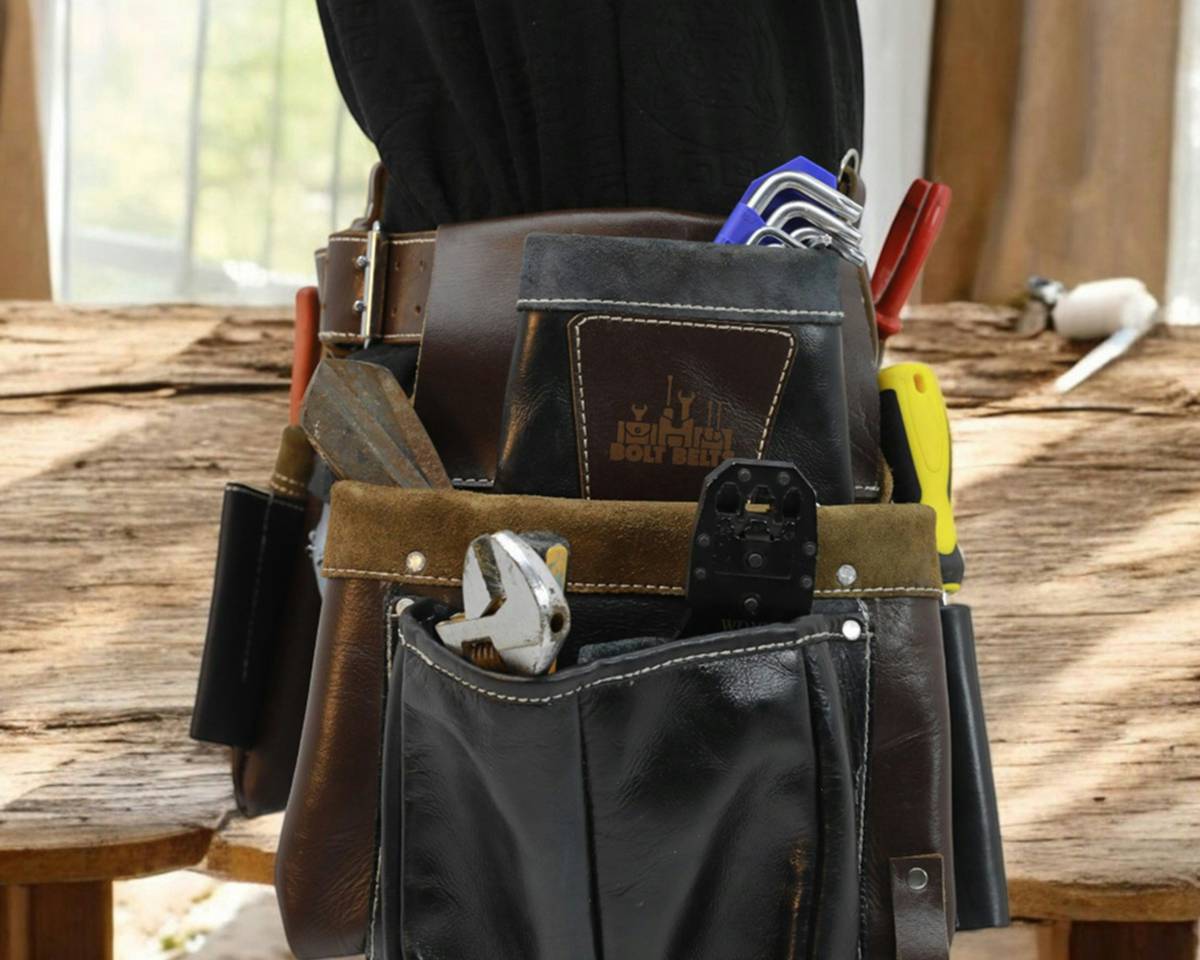
Think about it: carpenters on job sites don’t use the flashy neon belts from aisle 27. They favor worn leather rigs with purpose-built slots—not because they’re nostalgic, but because physics hasn’t changed. Nylon stretches. Leather molds. Your lower back knows the difference.
How to Pick & Customize a Tool Belt That Lasts
Forget “one-size-fits-all.” Your belt must match your dominant hand, common tasks, and even your waist-to-hip ratio. Follow this:
Step 1: Audit Your Core Tools
List only the tools you use 80% of the time—hammer, tape, utility knife, speed square, maybe a drill. Anything else stays in your bucket. Less junk = better balance.
Step 2: Choose Material Based on Job Type
Drywall or painting? Go lightweight nylon—it won’t scuff surfaces. Framing, roofing, or demolition? Invest in split-grain leather. Yes, it’s pricier at tool belts home depot, but it’ll outlive three synthetic belts.
Step 3: Test Weight Distribution In-Store
Load the demo belt with equivalent weights. Walk. Bend. Squat. If it rides up or cuts into your iliac crest, walk away. Comfort under load beats pocket count every time.
| Material Type | Best For | Avg. Price at Home Depot | Lifespan (Active Use) |
|---|---|---|---|
| Nylon/Polyester | Electrical, painting, light trim | $25–$45 | 6–12 months |
| Split-Grain Leather | Framing, roofing, heavy carpentry | $60–$110 | 3–5+ years |
| Hybrid (Leather + Nylon) | General contractors, remodelers | $50–$85 | 2–3 years |

The Industry Secret No One Talks About
Here’s what pro suppliers won’t tell you: the best tool belts aren’t sold in the tool aisle. At Home Depot, check the roofing section. Roofers demand belts that stay put on steep pitches—so their harness-compatible rigs often feature reinforced suspension loops and hammer holders angled for downward swings. These models rarely appear in “tool storage” displays but offer superior ergonomics for vertical work. And if you’re left-handed? Flip the whole setup. Most belts default to right-hand dominance—rewire the pouches yourself with Chicago screws (sold near fasteners). Customization beats convenience.
FAQ
What’s the most durable tool belt at Home Depot?
Split-grain leather models from brands like CLC Custom Leathercraft or Occidental Leather—usually priced $70+—last years, not months.
Can I return a used tool belt to Home Depot?
Only if defective. Once worn, it’s final sale. Test fit in-store with sample weights before buying.
Are padded tool belts worth it?
For occasional use—yes. But daily wear compresses padding fast. Pros prefer non-padded leather; it molds to your body over time.