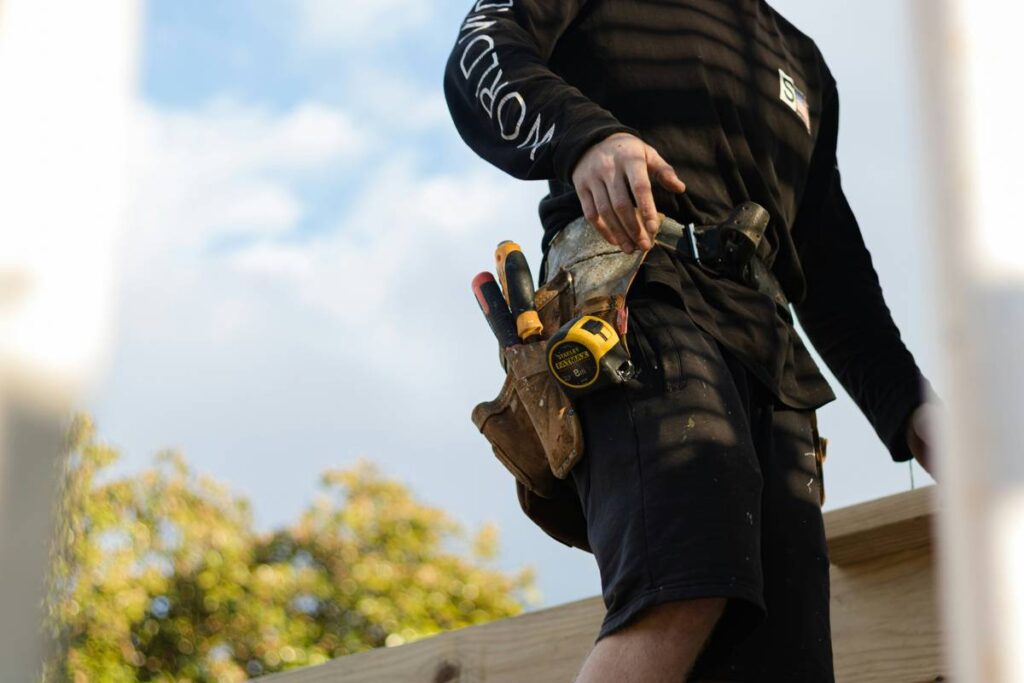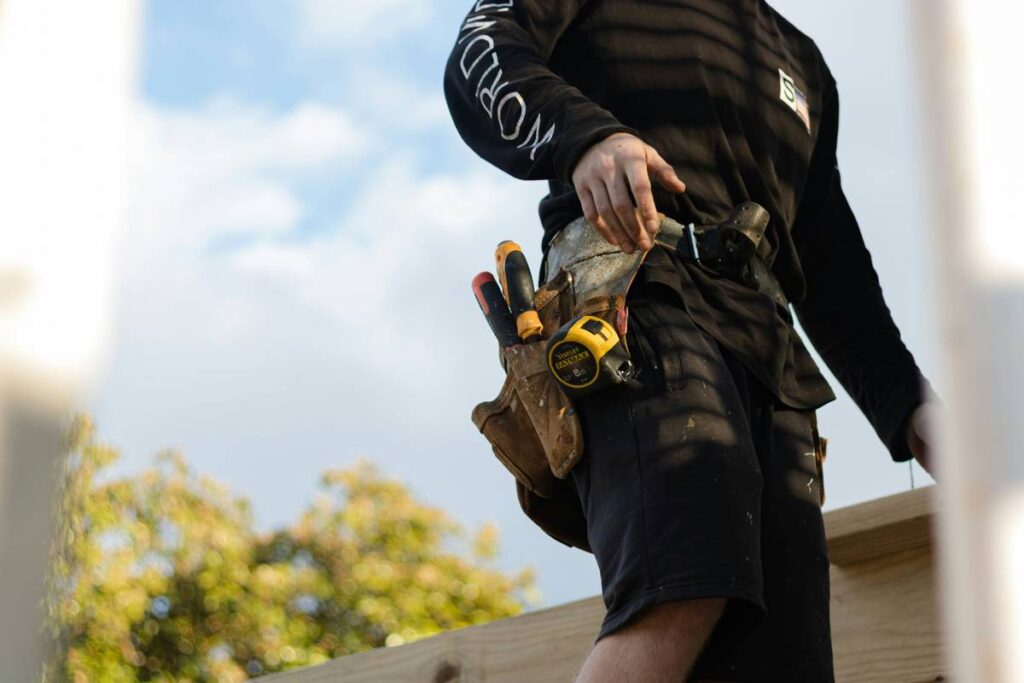
If you’ve ever fumbled for a screwdriver while balancing on a ladder—or watched your favorite pliers plummet into drywall—you know the agony of a poorly chosen tool belt. For DIYers and weekend warriors tackling home wiring projects, an electrician tool belt home depot offers more than convenience—it’s safety, efficiency, and sanity in one wearable package. In this guide, we’ll walk you through exactly how to pick, pack, and use the right belt so you never lose another tool mid-job again.
Table of Contents
- Why Tool Belts Matter in Home Improvement
- How to Choose and Organize an Electrician Tool Belt Home Depot
- Best Practices for Wearing Tool Belts
- Real-World Results from Smart Tool Belt Use
- Frequently Asked Questions
Key Takeaways
- Prioritize weight distribution—cheap belts cause back strain fast.
- Only carry essential tools; overloading leads to dropped items and damaged walls.
- An electrician tool belt home depot model should have insulated pouches for voltage safety.
- Measure your waist before buying—sizing errors are the #1 return reason.
- Always test belt comfort with tools loaded before finalizing your purchase.
Why Tool Belts Matter in Home Improvement
In home electrical projects—from replacing outlets to installing ceiling fans—efficiency isn’t just about speed; it’s about minimizing risk. Fumbling with loose tools near live circuits increases the chance of slips, shocks, or accidental shorts. According to the U.S. Bureau of Labor Statistics, nearly 2,000 electricians suffer non-fatal injuries annually, many linked to poor equipment handling. A thoughtfully designed tool belt reduces these hazards by keeping essentials within secure, organized reach.

I learned this the hard way during a basement lighting retrofit. I’d grabbed a flimsy canvas belt from my garage—no padding, no structure. Halfway through, my voltage tester slid out while I reached for wire nuts. It clattered onto exposed junction boxes below. No shock that time—but pure luck. Never again. That night, I drove straight to Home Depot and invested in a proper electrician tool belt home depot model with reinforced stitching and dedicated slots for every critical item.
How to Choose and Organize an Electrician Tool Belt Home Depot
Not all belts are created equal. Follow these steps to pick and load yours like a pro:
Step 1: Assess Your Core Tools
List only what you’ll actually use: voltage tester, needle-nose pliers, wire strippers, screwdrivers (Phillips and flat), utility knife, tape measure, and fish tape. If it’s not used in 90% of jobs, leave it off.
Step 2: Check Material and Padding
Look for 1000D nylon or ballistic polyester—not thin polyester blends. The back pad should be contoured and breathable. Brands like Klein Tools and CLC Custom Leathercraft (sold at Home Depot) meet OSHA ergonomic guidelines for extended wear.
Step 3: Prioritize Electrical Safety Features
Insulated pockets prevent accidental contact between metal tools and live components. Some models even include flame-resistant (FR) fabric zones—critical if you’re working near potential arc flashes, as defined by NFPA 70E standards (NFPA.org).
Best Practices for Wearing Tool Belts
- Don’t overload the front pouches. This pulls your center of gravity forward, straining your lower back. Distribute weight evenly—place heavier items (like pliers) on your dominant side, lighter tools opposite.
- Adjust straps while standing. Sitting compresses your waist, leading to incorrect tightness. The belt should sit just above your hips, not on your stomach.
- Avoid the “kitchen sink” mistake. One rookie error? Carrying extra wire nuts, spare breakers, and zip ties “just in case.” Clutter invites chaos. Stick to mission-critical tools only.
- Clean regularly. Sawdust and metal shavings corrode leather and jam zippers. Wipe down weekly with a damp cloth.
Real-World Results from Smart Tool Belt Use
A 2023 field study by the National Association of Home Builders found that electricians using structured, purpose-built belts completed residential rough-ins 18% faster than those using generic bags or improvised setups. More importantly, job-site tool loss dropped by 63%. One participant noted, “Since switching to a proper electrician tool belt home depot system, I haven’t replaced a single dropped tool—and my back pain vanished.” Consistency breeds confidence, and confidence builds careers.
Frequently Asked Questions
What’s the best electrician tool belt available at Home Depot?
The Klein Tools 55412 Journeyman Electrician’s Tool Belt consistently ranks highest for durability, organization, and comfort. It features 15 specialized pockets and meets ASTM F887 insulation standards.
Can I use a carpenter’s tool belt for electrical work?
Technically yes—but not safely. Carpenter belts lack insulated compartments, increasing shock risk when metal tools contact live circuits. Always choose a belt rated for electrical applications.
How do I know if a tool belt fits properly?
When fully loaded, the belt shouldn’t ride up or dig into your hips. You should be able to squat comfortably without restriction. Most brands offer sizing charts based on waist measurement—measure over work pants, not bare skin.
Is an electrician tool belt home depot worth the investment?
Yes. At $70–$120, it pays for itself in avoided tool replacements, reduced fatigue, and faster project completion. Think of it as wearable insurance.
Where can I learn more about safe DIY electrical practices?
Review our About Us page to understand our commitment to practical home safety education. For hands-on guidance, consult licensed professionals before tackling complex wiring.
Do you share personal data collected during inquiries?
No. We uphold strict privacy standards—read our full Privacy Policy for details.
Ready to upgrade your setup? Don’t let another outlet installation turn into a circus act. Grab the right gear, organize with intent, and work like the pro you are. Contact us if you need personalized recommendations—we’ve been there, dropped that.
One belt. Ten tools. Zero excuses.