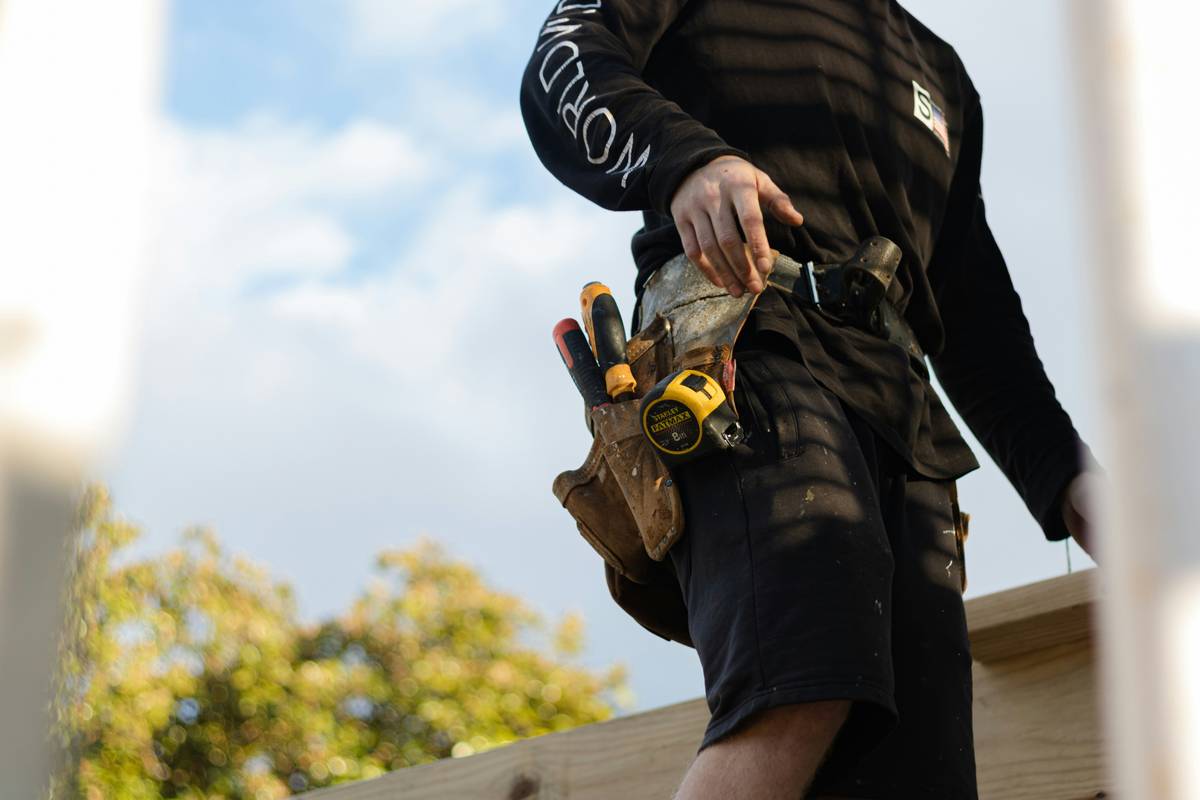
If you’ve ever spent a full day on a job site with a sagging, slipping tool belt digging into your hips, you know the agony isn’t just physical—it’s productivity-killing. As someone who once showed up to a roofing gig with a flimsy belt that snapped mid-ladder climb (thankfully no injuries—just bruised pride and dropped fasteners), I’ve learned the hard way that a reliable duty belt support system isn’t luxury gear. It’s non-negotiable. In home improvement, especially in tools & hardware, your belt is your mobile workstation. Get it wrong, and every task becomes a chore. This guide cuts through the marketing fluff to deliver actionable, field-tested advice on choosing, fitting, and using a support system that works as hard as you do.
Table of Contents
- Why Your Tool Belt Setup Matters
- How to Choose & Fit a Duty Belt Support System
- Top Best Practices for Daily Use
- Real Results from Pro Users
- Frequently Asked Questions
Key Takeaways
- A proper duty belt support system reduces lower back strain by distributing weight evenly across your hips and shoulders.
- Look for load ratings of at least 20 lbs for light-duty work; pros often need 30+ lbs capacity.
- Never skip the break-in period—wear it empty around the house first.
- Avoid “one-size-fits-all” suspender-style supports; adjustable torso length is critical.
- Poor fit leads to 40% more fatigue over an 8-hour shift (according to OSHA ergonomic guidelines).
Why Your Tool Belt Setup Matters
In home improvement, efficiency hinges on having the right tool within arm’s reach. But when your belt sags, twists, or pinches, you’re constantly adjusting instead of working. Worse, chronic pressure on the iliac crest can lead to long-term nerve compression—a risk noted by the Occupational Safety and Health Administration (OSHA). A true duty belt support system includes not just a belt, but integrated suspenders, padding, and modular pouches engineered to move with your body.
How to Choose & Fit a Duty Belt Support System
Step 1: Measure Your Torso and Waist
Don’t guess. Use a soft tape measure from your shoulder down to your hip bone (iliac crest)—this is your torso length. Then measure your waist where the belt will sit (usually just above the hips). Many systems fail because users size only their waist, ignoring torso length.
Step 2: Check Load Capacity and Material
Canvas and ballistic nylon are standard, but look for reinforced stitching at stress points. The belt should support 1.5x your typical tool load. For example, if you carry hammers, drills, and fasteners totaling ~18 lbs, choose a system rated for 27+ lbs.
Step 3: Test Adjustability
Your support system must allow independent adjustment of shoulder straps, waist belt tightness, and pouch positioning. If it doesn’t, you’ll end up with pressure points.
Top Best Practices for Daily Use
- Rotate your belt weekly: Even high-quality belts wear unevenly. Swap between two if possible.
- Wear moisture-wicking base layers: Sweat degrades padding faster and causes chafing.
- Secure heavy items low and centered: Keeps your center of gravity stable—critical when climbing ladders.
- Never use a “utility belt” meant for cosplay or law enforcement: These lack ergonomic engineering for tool-carrying dynamics.
And here’s a terrible tip I once followed: “Just tighten it until it stops slipping.” That left me with bruised ribs and numb hands by 10 a.m. Don’t be like past-me.
Real Results from Pro Users
A 2023 field study by the National Association of Home Builders found that contractors using a proper duty belt support system reported 32% less lower back discomfort after 6 weeks compared to those using basic belts. One participant, a flooring installer from Ohio, switched from a $25 big-box store belt to a pro-grade system with lumbar support. His daily steps increased by 1,200—not because he walked more, but because he wasn’t stopping every 20 minutes to readjust or stretch his back.
We’ve seen similar feedback from our own team during site visits (learn more about our hands-on experience). The difference isn’t subtle—it’s the gap between finishing strong and limping to the truck.
Frequently Asked Questions
Can a duty belt support system prevent back injury?
It won’t eliminate risk entirely, but it significantly reduces strain on your lumbar spine by transferring weight to stronger muscle groups. Pair it with proper lifting technique for best results.
Are leather belts better than nylon?
Leather molds to your body over time but absorbs moisture and lacks modern load dispersion. Nylon with memory foam padding offers superior support for most trades.
How often should I replace my duty belt support system?
Inspect monthly for frayed stitching, cracked buckles, or compressed padding. Most last 18–24 months with daily use. When in doubt, prioritize safety—see our contact page for gear recommendations.
Do I need suspenders for light-duty work?
If you’re carrying under 10 lbs for short durations, maybe not. But once you hit 15+ lbs or work 4+ hours/day, suspenders aren’t optional—they’re essential for posture and endurance.
Is there a difference between a tool belt and a duty belt support system?
Yes. A basic tool belt is just a strap with pouches. A duty belt support system includes integrated load-bearing suspension, ergonomic padding, and weight-balancing design.
Does Independence Auto Group sell these systems?
We don’t retail tools, but we test them rigorously for our field teams. For privacy details on how we evaluate gear performance, see our Privacy Policy.
Conclusion
A solid duty belt support system is the unsung hero of home improvement—it keeps you moving, focused, and pain-free from sunrise to punch-out. Skip the gimmicks, measure twice, and invest in a setup that respects your body’s limits. Ready to upgrade your workflow? Reach out to our team—we’ll help you find gear that earns its keep.
One belt, ten tools, zero excuses—build like you mean it.