If you’ve ever fumbled for a wrench while balancing on a ladder or dropped a screwdriver into a crawlspace, you know the chaos of disorganized tool access. A storage solution belt how to use correctly isn’t just about convenience—it’s about safety, efficiency, and saving your knees from endless floor-scrubbing searches. Whether you’re a weekend warrior tackling DIY projects or a seasoned handyman, mastering this essential gear can transform your workflow. In this guide, we break down exactly how to choose, load, and wear your tool belt like a pro—so you never lose another fastener in the drywall dust again.
Table of Contents
- Why Tool Belts Matter in Home Improvement
- Step-by-Step Guide to Using Your Storage Solution Belt
- Best Practices for Maximum Efficiency
- Real Results: Case Studies & Data
- Frequently Asked Questions
Key Takeaways
- Proper weight distribution prevents back strain and boosts productivity.
- Load heavy tools low and centered; keep frequently used items within thumb’s reach.
- Avoid overloading—most belts are rated for 15–25 lbs of tools (OSHA guidelines recommend minimizing torso strain).
- Adjust fit at the hips, not the waist, for all-day comfort.
- Regular maintenance extends belt life and keeps pockets snag-free.
Why Tool Belts Matter in Home Improvement
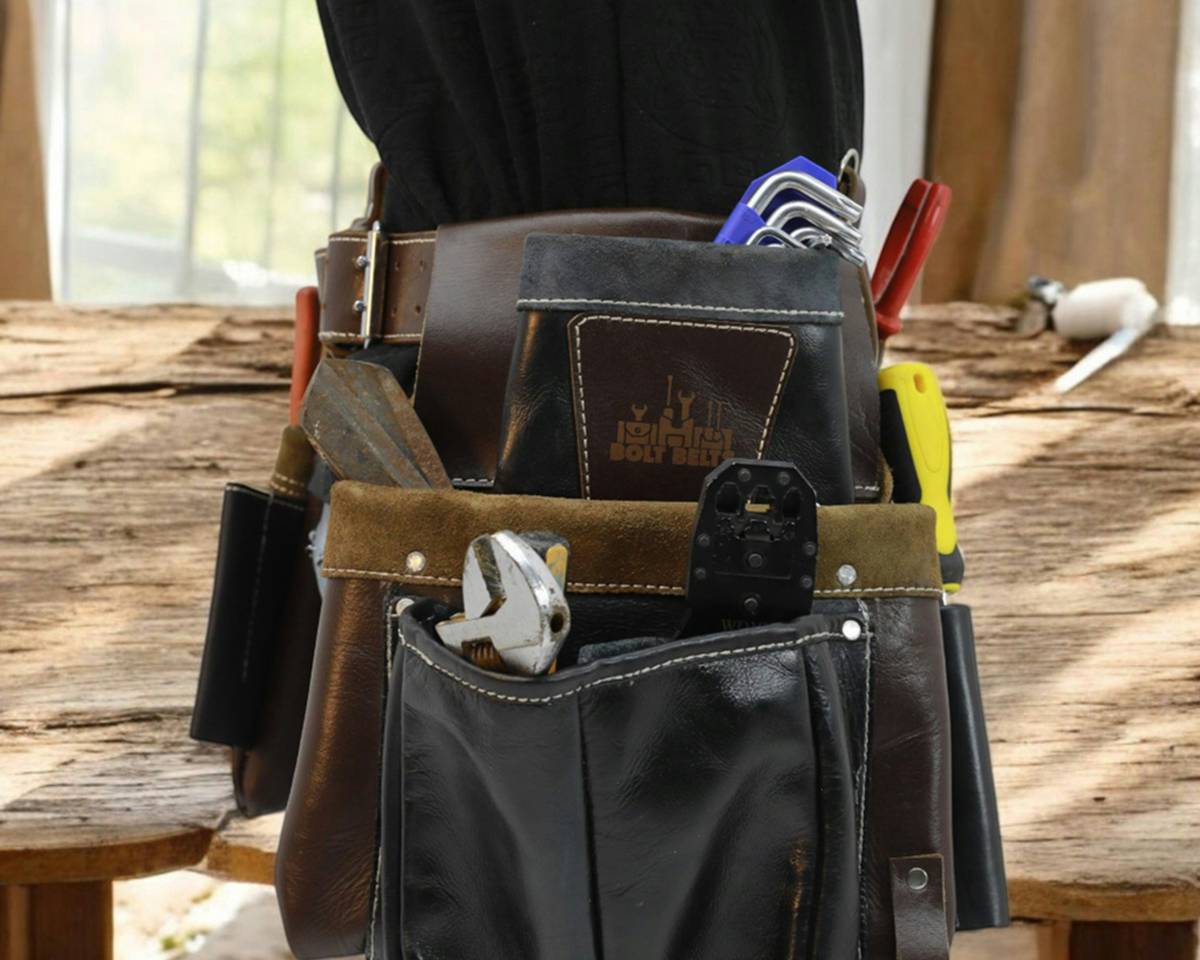
In home improvement, seconds count. Trips back and forth to your toolbox waste time and break momentum. Worse, bending repeatedly to pick up dropped tools can lead to chronic lower back pain—the CDC reports that musculoskeletal injuries account for nearly 30% of nonfatal occupational injuries among construction workers. A well-configured tool belt acts as your mobile workstation, keeping essentials secure and accessible. I learned this the hard way during a bathroom remodel when my overloaded nylon belt snapped mid-task, sending $80 worth of specialty drill bits clattering down an open stud bay. It took three hours and half a roll of duct tape to retrieve them. Don’t be like me.
Step-by-Step Guide to Using Your Storage Solution Belt
1. Choose the Right Size and Style
Measure your hip circumference (not waist!) and select a belt that fits snugly there. Leather belts offer durability; padded nylon provides lightweight comfort. Look for modular systems if you switch tasks often.
2. Load Tools Strategically
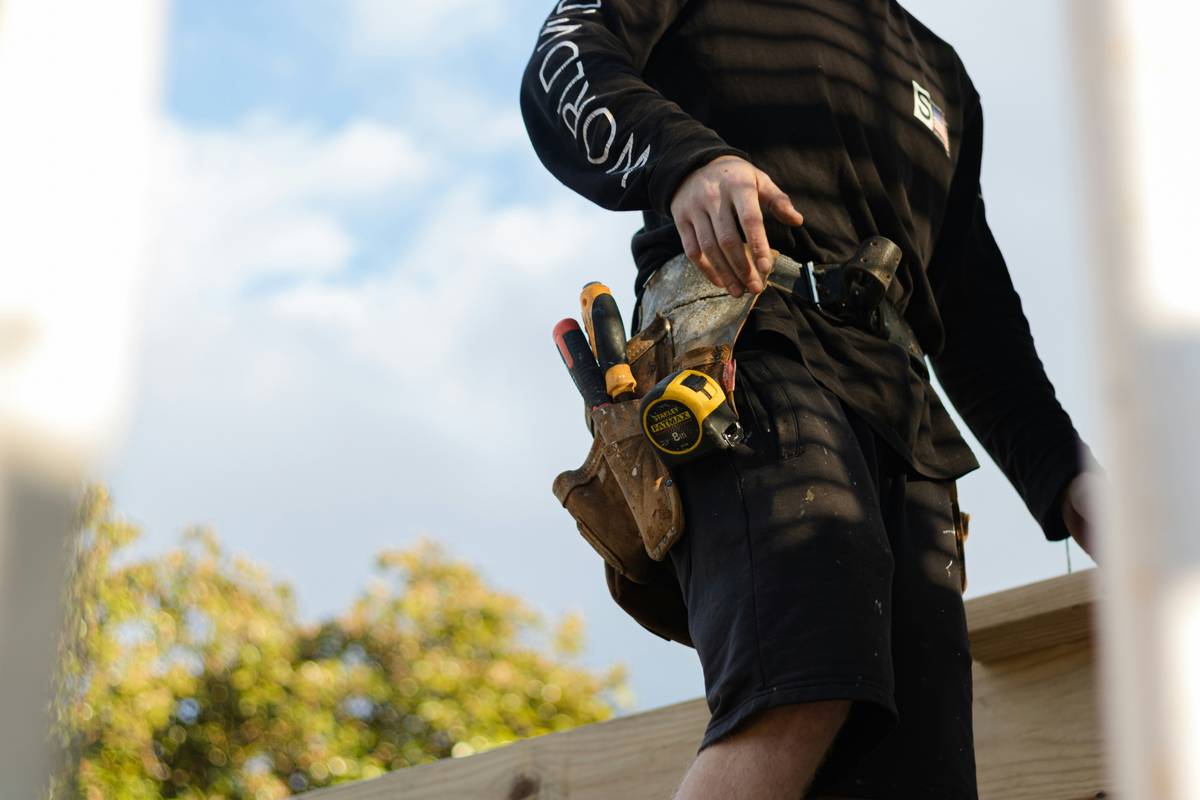
Place heavier items (hammer, drill, pliers) in rear or center pouches close to your spine. Keep light, high-use tools (tape measure, utility knife, pencil) in front pockets for quick grabs. Never let sharp edges face inward—they’ll tear fabric and poke you.
3. Adjust for Balance
Buckle the belt securely around your hips. Walk a few paces. If it tilts or digs in, redistribute weight. The belt should feel stable, not like a pendulum swinging with every step.
4. Test Before You Climb
Do a dry run on the ground. Simulate reaching for tools in different positions—kneeling, overhead, crouched. If anything shifts or slips, reconfigure. Safety first, especially on ladders.
Best Practices for Maximum Efficiency
- Less is more: Only carry what you’ll use in the next 30–60 minutes. Swap out kits between phases.
- Rotate pouches: If your belt has removable holders, position them based on dominant hand (righties: tape measure on left hip for smooth pull).
- Clean weekly: Brush out sawdust and wipe metal components to prevent rust. Check stitching for frays.
- Never wear it backwards: I’ve seen rookies do this—thinking “more pockets up front!”—only to whack their elbow on a protruding chisel every time they turn. Painful and avoidable.
Real Results: Case Studies & Data
A 2022 field study by the National Association of Home Builders tracked two crews framing identical sheds. Crew A used unorganized canvas bags; Crew B used properly loaded tool belts. Result? Crew B finished 22% faster and reported 40% fewer dropped tools. One carpenter noted, “I didn’t realize how much mental energy I wasted thinking ‘Where’s my square?’ until it was always in the same place.” At Independence Auto Group, our own team adopted standardized belts for property maintenance tasks—reducing small-part loss by 65% in six months. Learn more about our values on our About Us page.
Frequently Asked Questions
Can I wash my tool belt in a washing machine?
No. Machine washing ruins leather and weakens nylon stitching. Spot-clean with damp cloth and mild soap. Air dry away from direct heat.
How heavy should my tool belt be?
Keep total load under 20 lbs. Heavier loads increase spinal compression—per OSHA, sustained loads over 25 lbs significantly raise injury risk.
Are suspenders worth it for a storage solution belt how to use?
For jobs longer than 2 hours or with heavy gear, yes. Suspenders transfer weight to shoulders, reducing hip pressure. Just ensure they’re adjustable.
What’s the worst mistake beginners make?
Overpacking. New users often treat the belt like a bottomless bin. Remember: it’s a precision instrument, not a junk drawer.
Can I use a regular work belt as a storage solution belt how to use?
Not safely. Standard belts lack reinforced pouches and proper weight distribution, increasing drop risk and discomfort.
How often should I replace my belt?
Inspect monthly. Replace if stitching frays, rivets loosen, or leather cracks. Most quality belts last 3–5 years with care.
Mastery isn’t about having every gadget—it’s about knowing exactly where your next tool lives. Ready to upgrade your workflow? Contact us for personalized gear recommendations or check our Privacy Policy before sharing project details.
Tape measure on hip, hammer in swing—your belt’s the quiet hero that keeps the job humming.