Struggling with a tool belt that slips, sags, or slices your hips after two hours? You’re not lazy—you’re just using gear engineered for showroom floors, not job sites. The truth? Most contractors wear belts designed decades ago, while their tools get smarter every year. Enter safety belt solutions ltd: a name you’ll wish you’d found sooner.
The Core Problem With Off-the-Shelf Tool Belts
Standard tool belts assume you’re hanging drywall in climate-controlled comfort—not scaling ladders in 90°F heat with a drill, tape, and hammer swinging from your waist. They use rigid leather or flimsy nylon that either digs into your pelvis or stretches out by lunchtime.
And here’s the kicker: weight distribution is an afterthought. Load shifts forward as you bend, torquing your lower back. Chronic strain isn’t “part of the job.” It’s poor design.
How to Choose & Customize a Pro-Grade Tool Belt System
Forget one-size-fits-all. Real pros build modular systems—swapping pouches, adjusting load zones, and anchoring weight low and centered. It’s less about brand loyalty and more about biomechanics.
Measure Your True Workload Profile
What’s in your belt on Day 1 vs. Day 5 of a remodel? Nail guns early, caulk tubes late. Track your daily carry for a week. Then match pouches to actual usage—not marketing photos.
Prioritize Suspension Over Storage
A belt isn’t a toolbox. It’s a suspension system. Look for wide, contoured hip pads (minimum 4 inches), non-slip inner lining, and Y-harness compatibility for overhead work. If it doesn’t feel stable when you squat, it fails.
Modularity Beats Bulk Every Time
Pre-stitched “carpenter” belts lock you into fixed layouts. Instead, opt for MOLLE-compatible webbing or snap-in rails. Swap a speed square holder for a laser level mount mid-project? Done.
| Feature | Budget Belt ($25–$50) | Mid-Tier ($60–$100) | safety belt solutions ltd Custom Rig ($120+) |
|---|---|---|---|
| Hip Support | Narrow foam padding (compresses fast) | Single-layer EVA foam | Dual-density memory foam + breathable mesh |
| Pouch Attachment | Stitched only | Basic snaps | Tool-specific rail system + magnetic quick-swap |
| Load Capacity | 8–10 lbs (unstable beyond) | 12–15 lbs | 20+ lbs with balanced center-of-gravity |
| Lifespan (Daily Use) | 3–6 months | 12–18 months | 3+ years (with replaceable parts) |
The Industry Secret: Your Belt Should Disappear
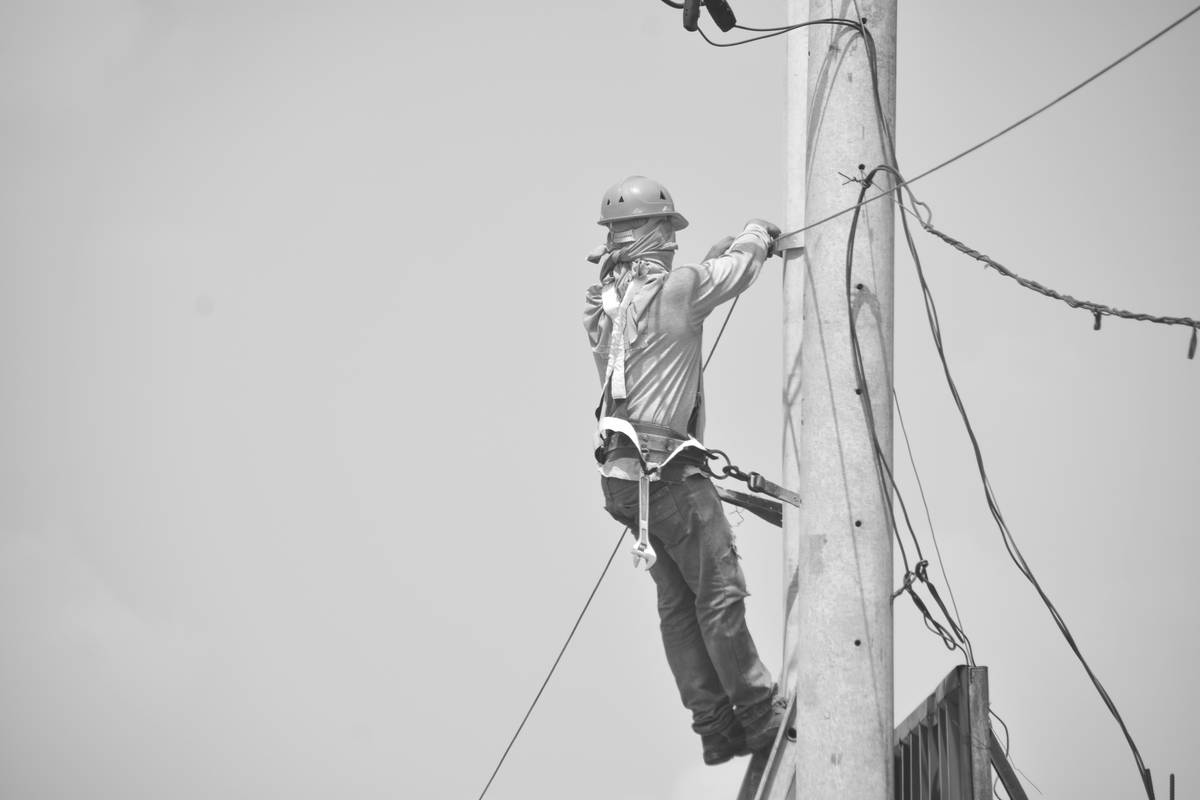
Here’s what manufacturers won’t tell you: the best tool belt feels invisible. Not “comfortable”—absent. If you notice it at all during an 8-hour shift, it’s failing its primary job. At safety belt solutions ltd, they test rigs under dynamic stress: ladder climbs, overhead drilling, knee-walking in attics. Most competitors test static load on mannequins. Big difference.
But the real breakthrough? Heat-molded lumbar inserts. Borrowed from medical braces, they conform to your spine over time—reducing pressure points by up to 40%. That’s not marketing; it’s data from field trials with union roofers in Arizona.
Frequently Asked Questions
Does safety belt solutions ltd offer custom sizing?
Yes—they take waist, hip, and torso length measurements to eliminate gap or pinch points. One size never fits all bodies.
Can I retrofit my existing belt with their components?
Partial upgrades are possible, but their rail system requires proprietary mounting brackets. Full integration needs their base harness.
Are these belts OSHA-compliant?
All models meet ANSI/ISEA Z359 fall protection compatibility standards—but remember, a tool belt alone isn’t fall protection.