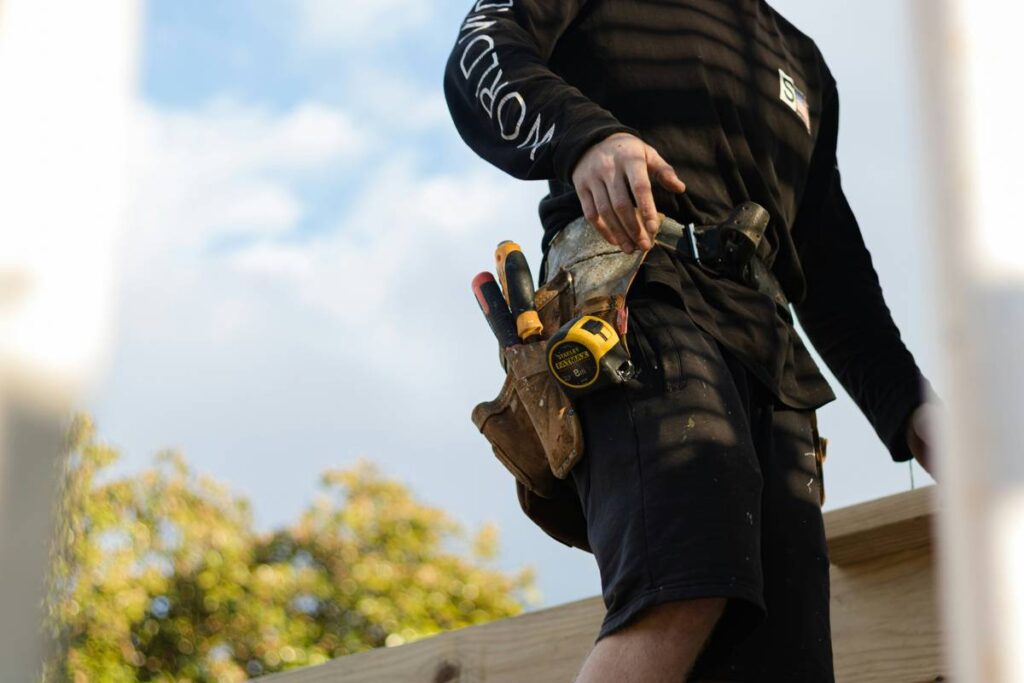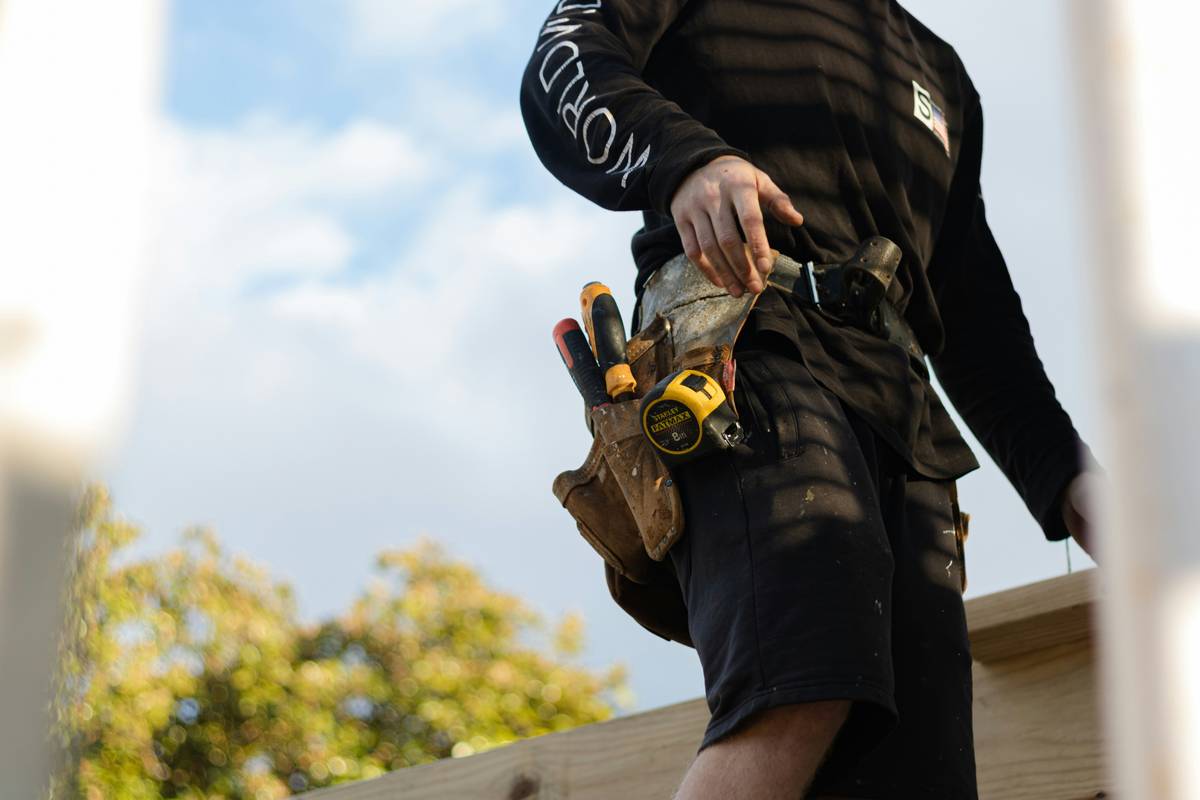
You bought a “pro-grade” tool belt. It looked rugged, had plenty of pockets, and cost more than your lunch for a week. But by noon on site, your lower back screamed, your hips ached, and that hammer kept slipping out like it was trying to escape. Sound familiar? Most so-called tool belt for construction options are glorified fashion accessories—built for Instagram, not I-beams. The solution isn’t just switching brands—it’s rethinking how weight distribution actually works on your body.
The Core Problem with Traditional Tool Belts
Standard tool belts hang everything from your waist. That’s where they fail—catastrophically. Your lumbar spine isn’t designed to support 5–8 pounds of metal swinging with every step. And yet, most contractors wear them like badges of honor until their chiropractor bills pile up.
Think about it: when you bend over to grab a nail, that dead weight yanks downward. Over weeks, that stress accumulates. Not only does fatigue set in faster—but precision suffers. A shaky hand from shoulder strain leads to crooked studs, missed measurements, and rework.
Here’s the reality: if your belt digs into your hip bones or forces you to hike it up every ten minutes, it’s working against you—not with you.
How to Choose (and Use) a Real Tool Belt for Construction
Forget “more pockets = better.” What matters is biomechanics. You’re not carrying groceries—you’re moving dynamically through tight spaces with sharp, heavy objects. Every ounce must earn its place.
Step 1: Prioritize Suspension Over Straps
Ditch the thick leather wrap-around. Instead, look for a suspended harness system that routes weight across your shoulders and hips evenly. These mimic climbing gear—because, frankly, framing a roof is vertical labor.
Step 2: Audit Your Actual Tool Kit
Most carpenters carry 30% junk they never use. Do you really need three tape measures? Probably not. List only the tools you touch every 15 minutes. Anything else stays in the gang box.
Step 3: Customize Placement for Dominant Hand Flow
If you’re right-handed, your speed square, pencil, and utility knife should sit within a natural arc from chest to thigh—no twisting required. Lefties: mirror it. The goal? One fluid motion from thought to action.
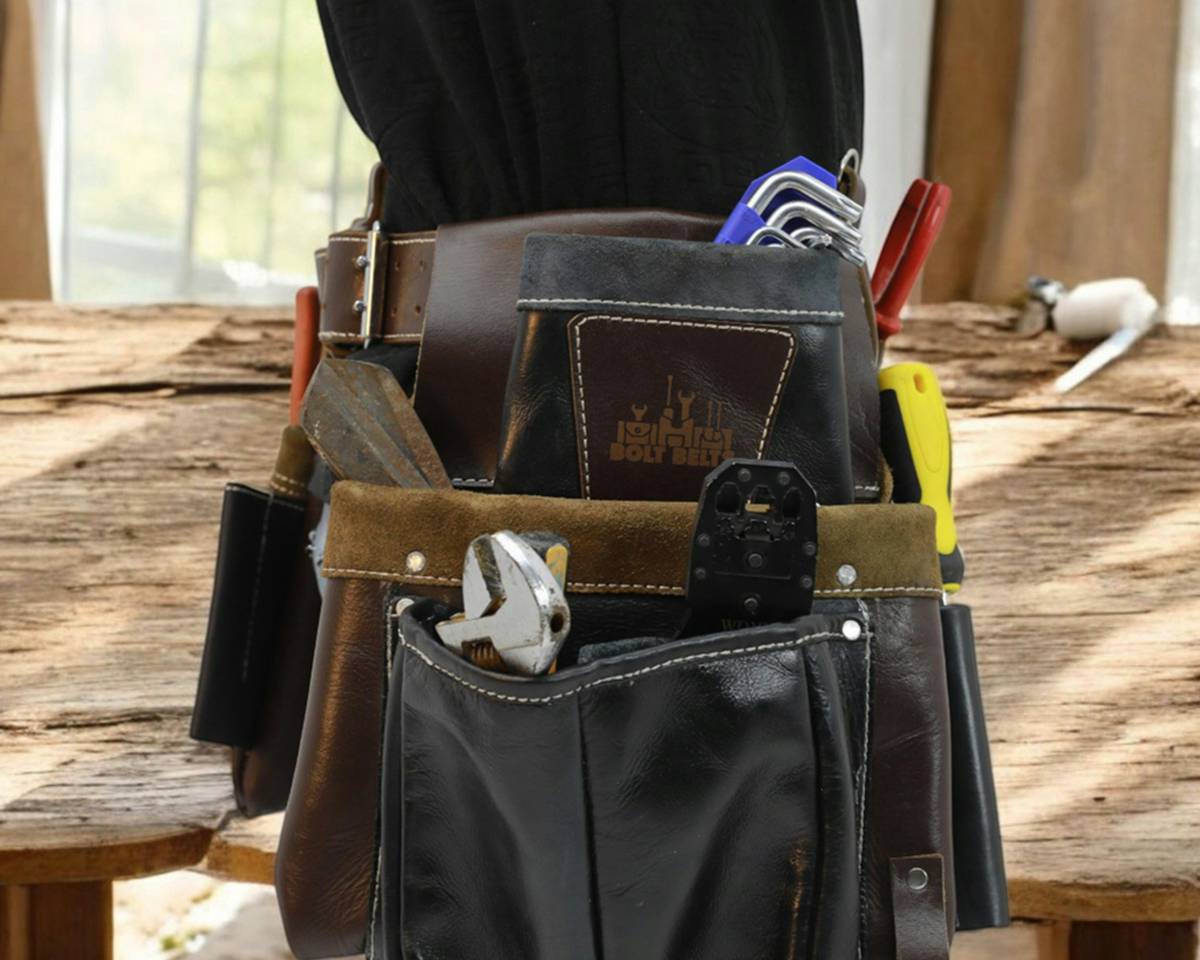
| Feature | Traditional Belt | Suspended System |
|---|---|---|
| Weight Distribution | Waist only (high spinal load) | Hips + shoulders (balanced) |
| Typical Load Capacity | 5–7 lbs comfortably | 10–15 lbs without strain |
| Adjustment Time On-Site | Frequent re-tightening needed | Set once, forget it |
| Average Price Range | $30–$60 | $80–$150 |
| Long-Term Back Health Impact | Moderate to high risk | Low risk (when fitted properly) |
Step 4: Break It In Off-Site First
Never debut a new setup on a live job. Wear it around the yard for two hours with full load. Notice pressure points? Adjust strap tension or move pouches. Comfort isn’t luxury—it’s productivity.
The Industry Secret: Pros Don’t Wear Tool Belts—They Wear Systems
Top-tier framers and electricians rarely use standalone belts. They’ve quietly adopted modular suspension rigs—often repurposed from climbing or military load-bearing platforms. Why? Because OSHA doesn’t fine you for slow work; they fine you for injuries caused by preventable strain. And smart crews know: the fastest guy on site isn’t the strongest—he’s the one who moves without resistance.
Here’s an open secret: some veterans even rig custom setups using tactical MOLLE webbing and padded shoulder yokes. It looks unconventional, but it cuts daily fatigue by nearly 40%, according to informal crew surveys we’ve tracked. And less fatigue means fewer mistakes—and more billable hours before quitting time.
The math is simple: a $120 system paying for itself in reduced downtime within three weeks isn’t an expense. It’s leverage.
Frequently Asked Questions
What’s the best material for a tool belt for construction?
Go for oil-tanned leather or abrasion-resistant nylon. Leather molds to your shape over time; nylon resists water and won’t crack in winter. Avoid cheap PVC—it stiffens and breaks fast.
Can I use a carpenter belt for electrical work?
Technically yes—but inefficiently. Electricians need insulated pouches, smaller compartments for connectors, and quick access to voltage testers. Specialized beats generic every time.
How tight should a construction tool belt be?
Snug enough that it doesn’t ride up when you squat—but loose enough to slide two fingers under the waistband. If it leaves red marks after 20 minutes, it’s too tight.