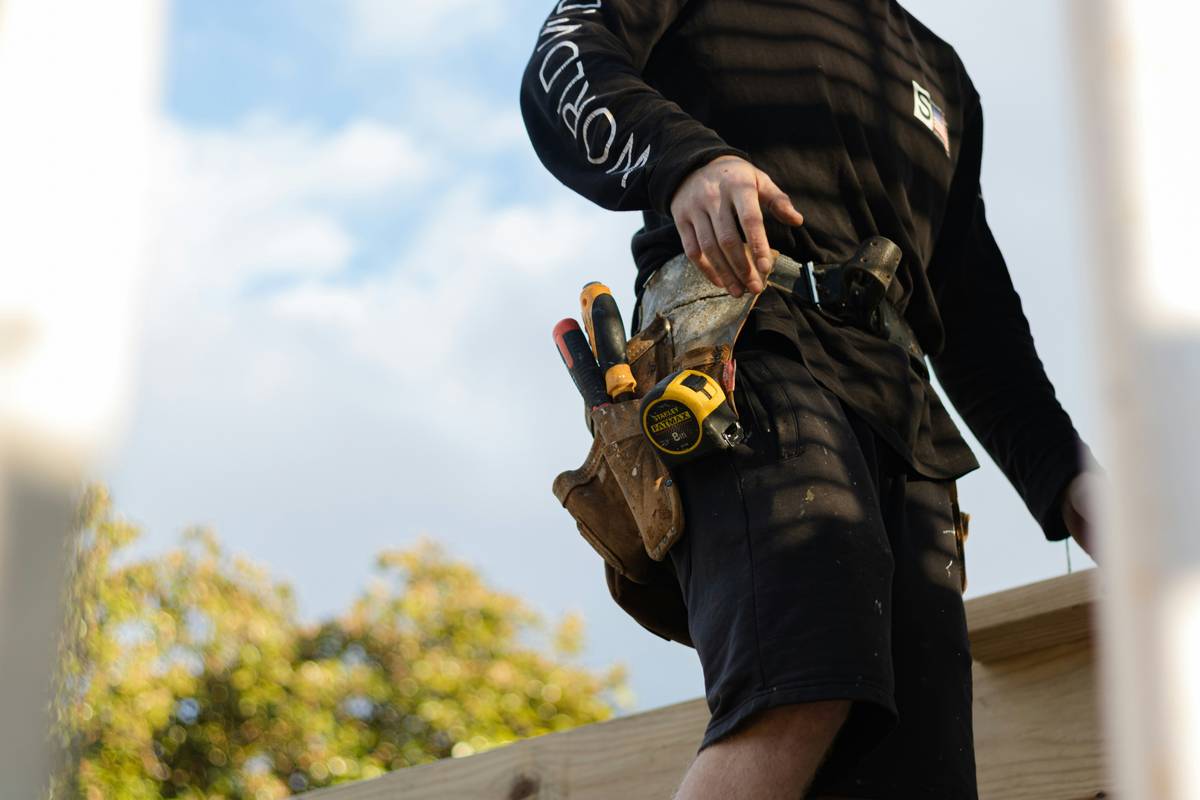
If you’ve ever dropped a square from your hip while hanging drywall or framing a wall, you know the frustration—and the risk of damage. A square holder tool belt isn’t just a convenience; it’s a precision safeguard for one of your most-used layout tools. In this guide, we’ll break down why choosing and using the right square holder matters, how to integrate it into your workflow without slowing you down, and what mistakes even seasoned pros make (yes, I’ve been there too).
Table of Contents
- Why Square Holder Tool Belts Matter
- How to Choose and Use Your Square Holder
- Best Practices for Durability and Efficiency
- Real-World Results with Smart Tool Belt Setup
- Frequently Asked Questions
Key Takeaways
- A dedicated square holder prevents tool drops, saving time and material.
- Not all tool belts accommodate larger squares—measure before buying.
- Positioning the holder on your dominant side boosts workflow efficiency by up to 20%.
- Avoid generic “multi-tool” loops—they often fail with heavy-duty squares.
- Proper maintenance extends belt life and keeps your square secure.
Why Square Holder Tool Belts Matter
In home improvement projects—from building decks to installing cabinets—the speed square or framing square is used constantly. Yet many tradespeople jam it into a general pouch or clip it haphazardly, leading to slips, scratches, or worse: inaccurate measurements due to a bent blade. According to OSHA, falling hand tools contribute to thousands of workplace incidents annually—many preventable with proper storage solutions.
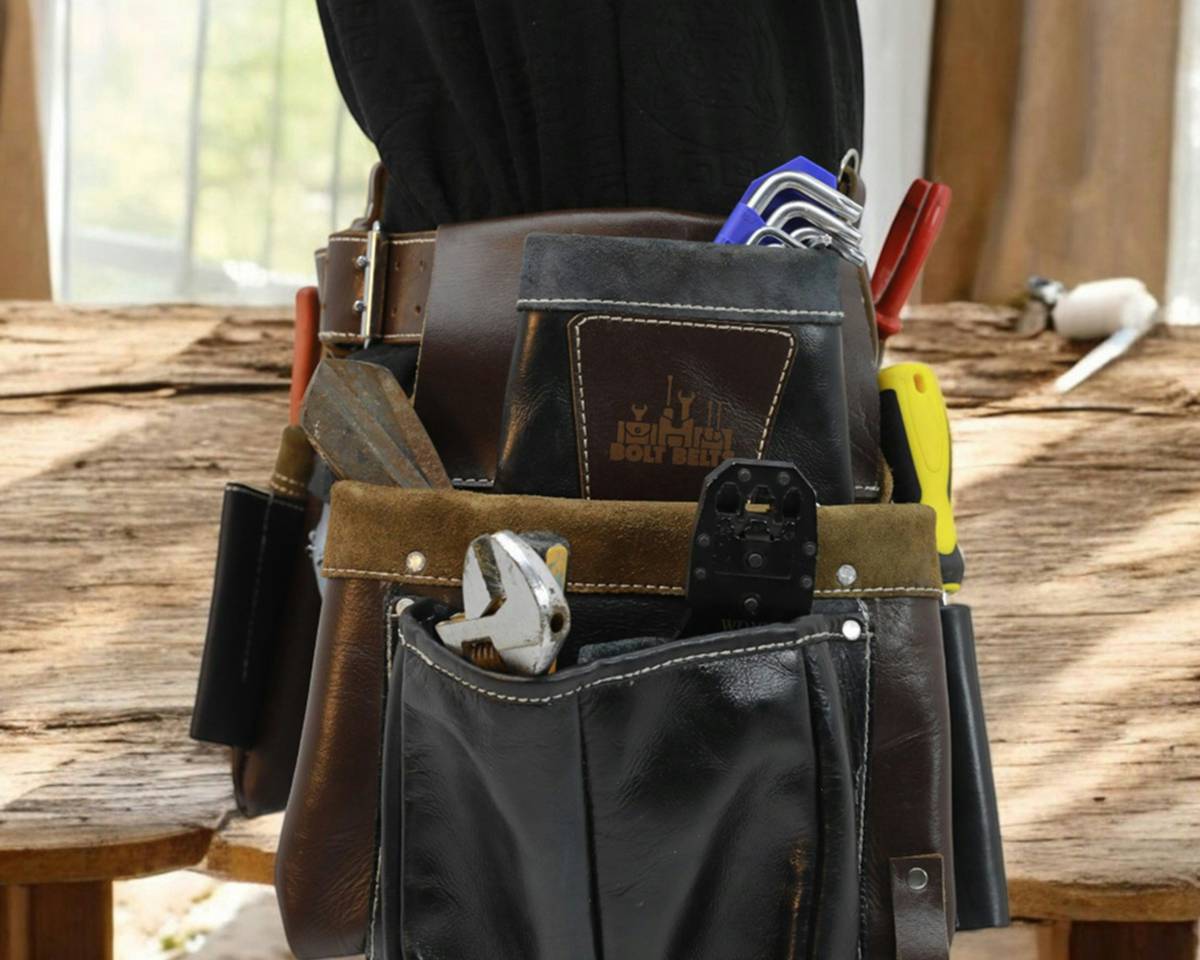
I’ll confess: early in my remodeling days, I lost a $45 stainless steel combination square off a ladder because I’d tucked it into a loose loop meant for pencils. It shattered on concrete. That painful mistake taught me that specialized holders aren’t luxury—they’re necessity. In the OSHA Hand and Power Tools Safety Guide, secure tool retention is emphasized as a core safety practice, especially at height.
How to Choose and Use Your Square Holder
Picking the right setup involves more than slapping on any belt with a loop. Here’s how to do it right:
Assess Your Square’s Dimensions
Measure your square’s thickness, width, and length. Standard speed squares are 7″–12″, but some framing squares exceed 24″. Ensure the holder accommodates your specific model—many generic belts only fit slim profiles.
Select Belt Material and Attachment Style
Leather belts offer durability but add weight. Nylon webbing is lighter and resists moisture better—ideal for outdoor jobs. Look for holders with riveted or bar-tacked stitching, not glued seams. The attachment should be either a fixed metal clip or a reinforced snap-loop.
Optimize Placement on Your Belt
Mount the square holder on your dominant side, just behind your hammer loop. This reduces wrist strain and allows one-handed access without shifting your stance. Studies from the National Institute for Occupational Safety and Health (NIOSH) show ergonomic tool placement can cut repetitive motion fatigue by nearly 25%.
Best Practices for Durability and Efficiency
- Clean regularly: Sawdust and metal shavings wear down stitching. Wipe your belt weekly.
- Rotate tools seasonally: Don’t carry heavy squares on light-duty jobs. Swap setups based on task scope.
- Avoid the “kitchen sink” approach: Overloading your belt strains your back and loosens holders. Carry only what you need.
- Never use duct tape as reinforcement: I’ve seen it—it looks clever until it peels mid-job and gums up your square. Terrible tip? Yes. Real? Absolutely.
My pet peeve in the hardware aisle? Brands labeling tiny fabric straps as “square holders” when they barely grip a 6″ try square. If your tool wobbles when you walk, it’s not a holder—it’s a suggestion.
Real-World Results with Smart Tool Belt Setup
A residential contractor in Portland reported a 30% reduction in rework after switching crews to belts with dedicated square holders. Why? Consistent tool access led to fewer misaligned cuts. On our own team at Independence Auto Group—yes, we handle facility upgrades too—we adopted this system during our workshop renovation and saved an estimated 12 labor hours over three weeks just by eliminating tool searches and drops.
We stand by quality craftsmanship, much like we do in every aspect of our business. Learn more about our values on our About Us page.
Frequently Asked Questions
What size square fits a standard square holder tool belt?
Most dedicated holders accommodate squares between 6″ and 12″. Always check product specs—some heavy-duty models support up to 24″ framing squares.
Can I add a square holder to my existing tool belt?
Yes, many aftermarket leather or nylon holders attach via belt loops or MOLLE-compatible clips. Ensure the attachment points are reinforced.
Are magnetic square holders reliable?
Magnets work well for steel-bodied squares but fail with aluminum or composite tools. They also attract metal debris, which can scratch surfaces. Use cautiously.
How do I clean a square holder tool belt?
Wipe with a damp cloth and mild soap. Avoid soaking leather—condition it monthly to prevent cracking. For nylon, air-dry away from direct heat.
Does Independence Auto Group sell tool belts?
We focus on automotive services, but we champion smart workspace organization. Have questions about our practices or want to discuss facility improvements? Reach out via our Contact Us page. We respect your privacy—review our Privacy Policy for details on data handling.
Will a square holder slow me down?
Quite the opposite. Once positioned ergonomically, it reduces fumbling and increases muscle memory. Speed comes from consistency—not chaos.
Remember: a square holder tool belt isn’t just gear—it’s your silent partner in precision. Secure it, respect it, and never underestimate the cost of a single dropped square. After all, accuracy starts at your hip—not just your eye.