Struggling with flimsy nylon belts that sag after six months? Tired of tools falling out because the pouch layout doesn’t match how you actually work? A cheap belt isn’t saving you money—it’s costing you time, focus, and repeat replacements. The fix isn’t another mass-market model. It’s a custom leather tool belt with pouches—crafted for your body, your trade, and your rhythm.
The Real Reason Off-the-Shelf Belts Fail Pros
Big-box store tool belts are designed for averages—not real humans. They assume symmetrical hips, identical hand dominance, and uniform tool loads. Reality? Your left hip sits higher. You’re a right-handed finish carpenter who needs tape, pencil, and chisels within inches—not 12” away in a generic slot. And nylon frays. Stitching pops under torque. Buckles wobble loose by lunchtime.
And leather? Not all leather is equal. Most “leather” belts use split hides—shaved thin, coated in plastic, and stamped “genuine.” They crack faster than they age. The weight distribution is off. No thought given to pivot points or sweat resistance. You end up duct-taping pouches or carrying half your kit in your pockets—defeating the purpose entirely.
How to Build Your Perfect Custom Leather Tool Belt with Pouches
Forget scrolling endless Amazon pages. True customization starts with three non-negotiables: fit, function, and longevity. Here’s how top-tier tradespeople approach it—without blowing their budget.
Step 1: Map Your Natural Tool Flow
Before you pick leather, track where your hands go during a typical task. Do you grab your utility knife every 90 seconds? Does your speed square hang on your dominant hip or ride mid-back? Film yourself for 10 minutes on a job. Note reach angles. This isn’t overkill—it’s efficiency engineering.
Step 2: Choose Full-Grain Leather (Not “Genuine”)
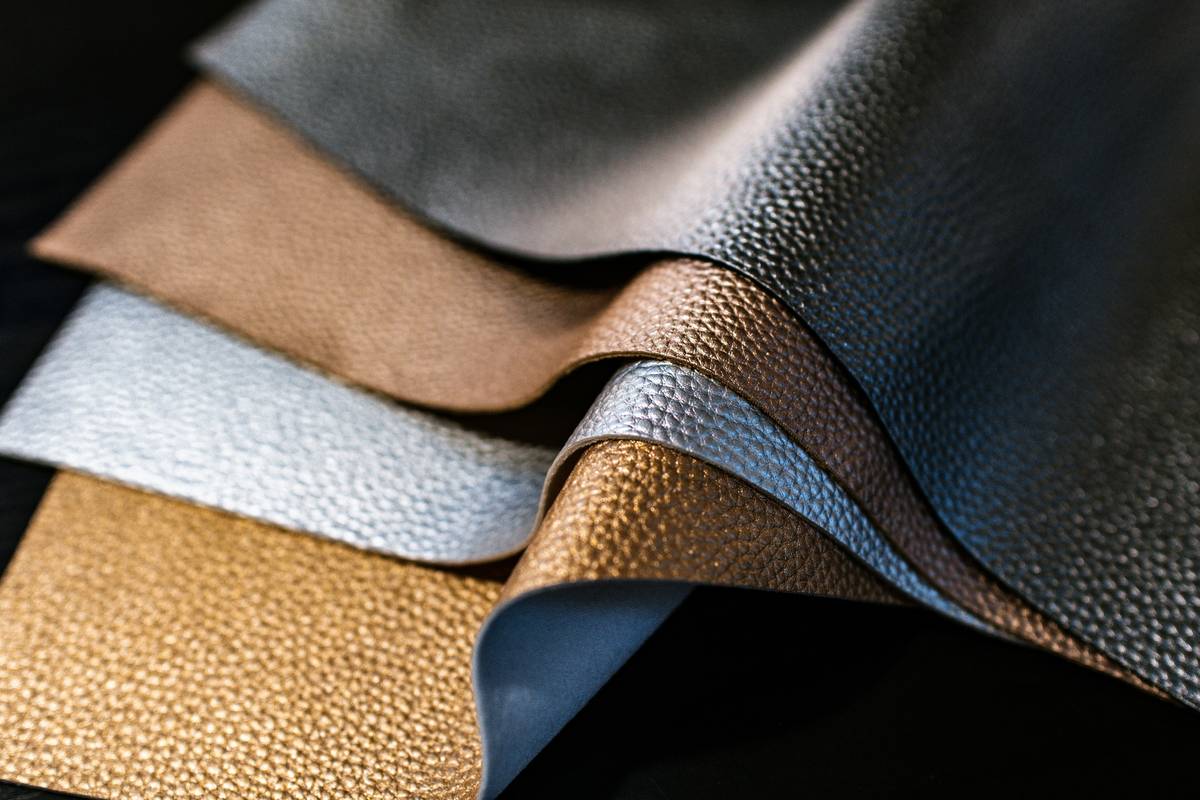
Full-grain retains the hide’s dense fiber structure. It molds to your body over weeks, resists abrasion, and develops a patina—not cracks. Avoid anything labeled “bonded,” “corrected,” or “split.” Thickness matters: 8–10 oz is ideal for belts. Lighter = floppy. Heavier = back strain.
Step 3: Specify Pouch Geometry, Not Just Count
Number of pouches means nothing if they’re shaped wrong. Hammer slots should angle forward. Tape measure loops need quick-release tension. Nail pouches require reinforced corners. Demand modular attachment points—so you can reconfigure without restitching.
| Option | Upfront Cost | Lifespan | Custom Fit? | Tool Accessibility |
|---|---|---|---|---|
| Mass-Market Nylon Belt | $35–$60 | 6–18 months | No | Poor (fixed layout) |
| Off-the-Shelf Leather Belt | $90–$150 | 2–4 years | Limited | Moderate |
| Custom Leather Tool Belt with Pouches | $180–$300 | 8–15+ years | Yes | Optimal (built to your motion) |

The Industry Secret Top Carpenters Won’t Admit Publicly
Here’s what nobody tells you: most custom belts fail not from poor leather—but from bad load physics. The waistband shouldn’t bear 100% of the weight. Elite makers embed a subtle hip yoke—a secondary strap that transfers 30–40% of tool mass to the pelvis, not the lumbar spine. It reduces fatigue dramatically on 10-hour days. Yet 90% of “custom” shops skip this. Ask explicitly: “Do you integrate a weight-transfer yoke?” If they hesitate, walk away. Also—avoid brass buckles. They look cool but oxidize when you sweat. Stainless steel or forged iron lasts.
Frequently Asked Questions
Can I adjust pouch positions on a custom leather tool belt with pouches?
Yes—if it’s built with modular snaps or Chicago screws. Riveted-only designs lock pouches permanently. Always confirm adjustability before ordering.
How long does it take to break in a full-grain leather tool belt?
About 2–3 weeks of daily wear. It softens at stress points but retains structure. Never soak it—just wear it consistently with your full tool load.
Are custom leather belts worth it for DIYers?
Only if you’re logging 15+ hours/month. For occasional use, a quality mid-tier belt suffices. But serious weekend warriors often find the ergonomics reduce injury risk—and make projects faster.