You’ve got hammers, tape measures, utility knives—and your jeans pockets are bursting at the seams. Every trip back to the toolbox eats minutes you don’t have. And let’s be honest: duct-taping tools to your waistband isn’t cutting it. The fix? An organization belt how to get a system that actually works—without sacrificing speed or comfort.
Why Most Tool Belts Fail at Real Organization
Most “tool belts” sold today are glorified pouches stitched onto cheap nylon. They sag after two hours. Tools rattle. Your back screams by lunch. Worse—they’re designed for show, not workflow. A true organization system anticipates your motion, reduces strain, and adapts to the job—not the other way around.
And here’s what manufacturers won’t tell you: one-size-fits-all is a myth. If your belt doesn’t account for body type, dominant hand, or task sequence, you’re just wearing clutter.
organization belt how to get a System That Actually Works
Forget off-the-shelf junk. Build a modular setup tailored to your rhythm. Start with fit, then function—never the reverse.
Step 1: Measure Your True Waist (Not Your Pants Size)
Pull a tape measure snug—right where you naturally carry weight (usually just above the hip bones). Add 2 inches for airflow and movement. This number is your baseline. Ignore label sizes; they lie.
Step 2: Prioritize Modularity Over Bulk
You don’t need 12 pouches. You need 3–5 smartly placed ones. Hammer on the dominant side. Tape measure forward-facing. Fasteners in a shallow, open-top pocket within thumb’s reach. Everything else goes in your van.
Step 3: Choose Material That Ages Well
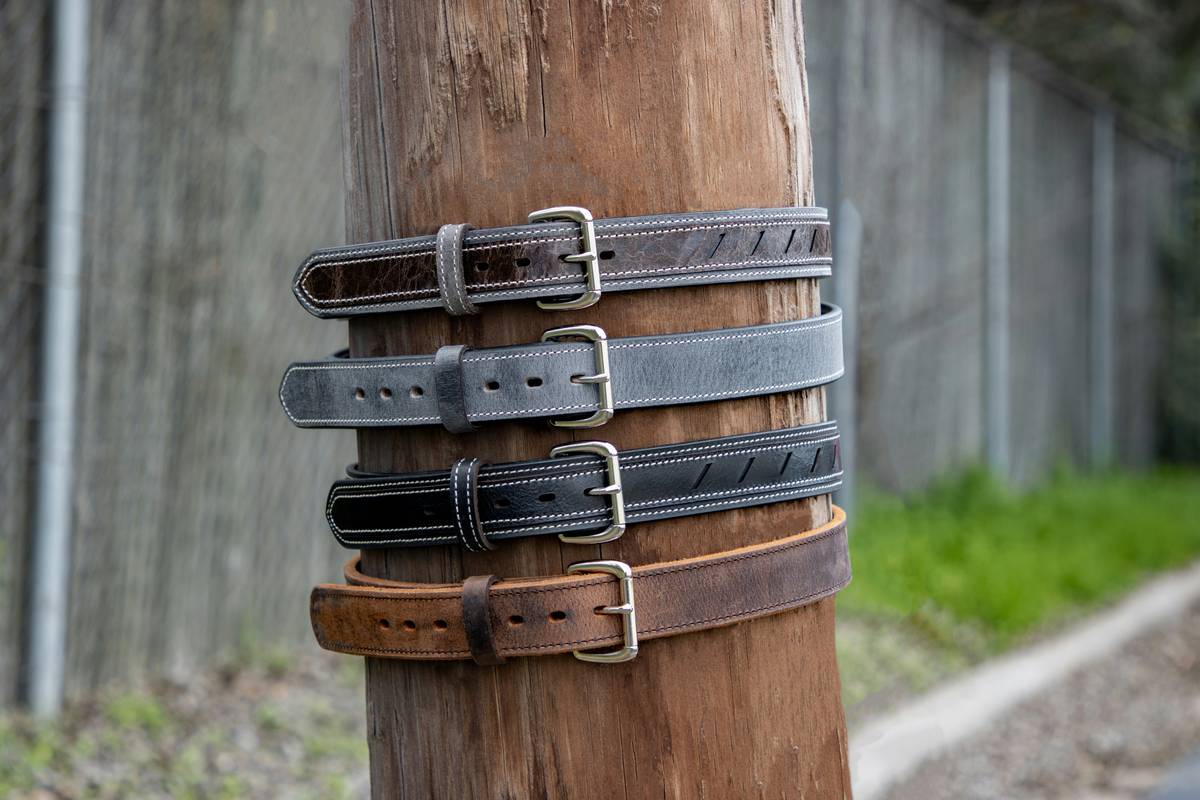
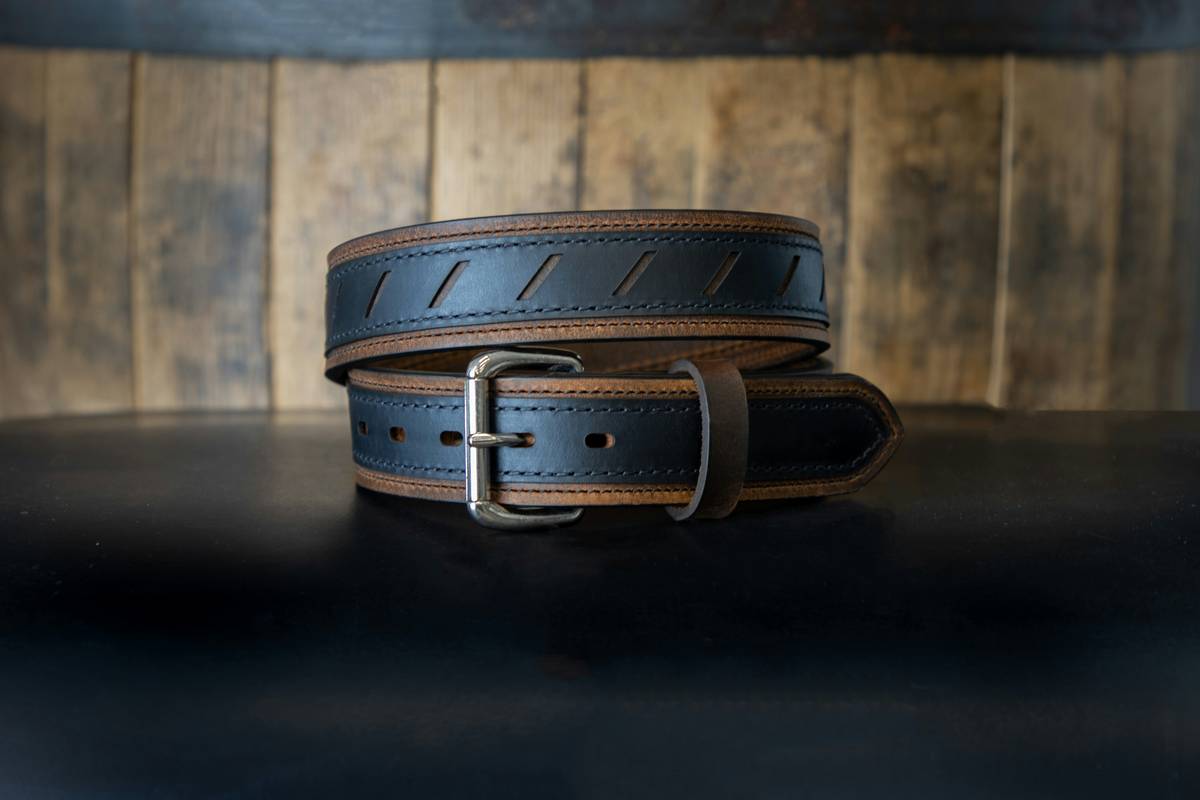
Nylon frays. Plastic buckles crack in winter. Go full-grain leather or reinforced polyester with metal grommets. Yes, it costs more upfront. But you’ll still be using it when your buddy’s third Walmart belt disintegrates.
| Approach | Upfront Cost | Longevity | Workflow Efficiency |
|---|---|---|---|
| Pre-Assembled Belt (Walmart/Amazon) | $20–$40 | 3–6 months | Low — fixed layout forces awkward reaches |
| Modular System (Leather or Tactical Base + Custom Pouches) | $80–$150 | 3–7 years | High — rearrange pouches per job type |
| Diy Repurposed Gear (e.g., MOLLE webbing + hardware pouches) | $50–$90 | 2–4 years | Medium — flexible but inconsistent ergonomics |
The Industry Secret: Your Belt Should Disappear
Top-tier finish carpenters and electricians share one habit: their tool belt feels invisible. Not because it’s light—but because it moves with them. Here’s the trick: mount weight close to your spine, not dangling off your hips. Use a double-tongue buckle or suspenders to transfer load upward. And never—ever—let a hammer swing freely; it torques your pelvis with every step. The math is simple: less wasted motion = more billable hours.
Think about it. Your belt isn’t storage. It’s an extension of your hands.
Frequently Asked Questions
What’s the best material for a long-lasting tool belt?
Full-grain leather or high-denier polyester with metal hardware. Avoid vinyl—it cracks in cold weather and stretches when hot.
Can I use a regular work belt for tool organization?
Not effectively. Standard belts lack anchor points, padding, and weight distribution. You’ll strain your lower back within hours.
How many pouches do I really need?
Three to five, max. Overloading slows you down. Keep only mission-critical tools on-body; stash the rest in your cart or vehicle.